
Fire Fighting Training School
Become a certified fire fighter — Basic or Advanced — at Real Skills Technical FET, Pretoria.
Fire fighting training at Real Skills Technical FET covers both Basic Fire Fighting (SAQA US 12484) and Advanced Fire Fighting (SAQA US 242850, NQF Level 4) — giving learners at every stage a nationally recognised credential in fire safety, fire ground operations, and life safety. Whether you need the 3-day Basic course to meet workplace fire safety requirements or the full 1-month Advanced programme to qualify for a career in emergency services, municipal fire departments, mining, construction, or industrial safety, our fully equipped training facility in Pretoria delivers the complete hands-on competency assessment and a Certificate of Competence plus Recommendation Letter that employers across South Africa and the region recognise and require.
Fire Fighting Training — Choose Your Level
We offer two nationally aligned fire fighting courses — a 3-day Basic course and a 1-month Advanced course. Both award a Certificate of Competence and Recommendation Letter. Both include free accommodation. Choose the level that matches your career goals and current experience.
- Fire triangle, fire behaviour & fire spread
- Classes of fire — A, B, C, D, F
- Fire extinguisher types — selection & operation
- Hose reel and hose pipe operation
- Emergency evacuation procedures
- Fire alarm systems & response protocols
- Workplace fire hazard identification
- Fire prevention and housekeeping
- Reporting on fire status & documentation
- OHS Act — employer & employee fire obligations
- Certificate of Competence issued
- Recommendation Letter issued
- Fire ground operations — life safety, fire control, property conservation
- Securing water supply — pressurised & non-pressurised sources
- Class A exterior fire suppression — stacked material, shacks, containers
- Motor vehicle fire extinguishment
- Interior structure fire control
- Flammable liquid (ignitable liquid) fire operations
- Flammable gas cylinder fire control
- Search and rescue operations in structures
- Personal protective equipment (PPE) for fire ground
- Standard operating procedures & team operations
- Certificate of Competence issued
- Recommendation Letter issued · Free accommodation
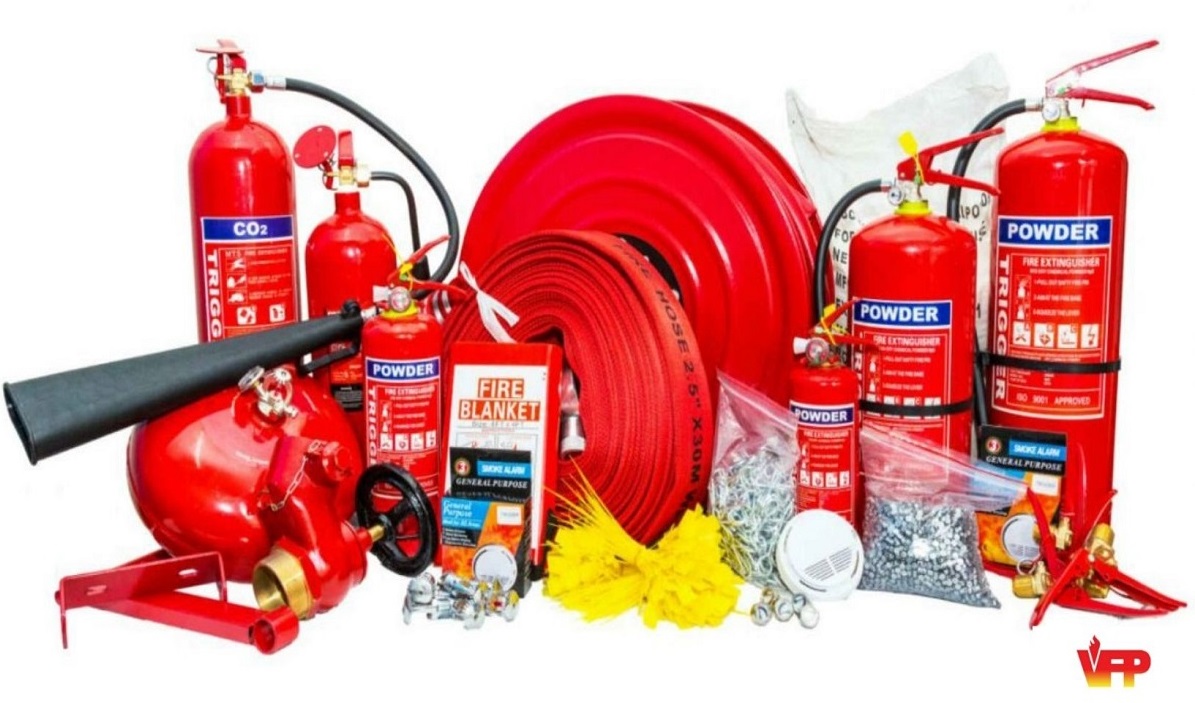
Basic Fire Fighting Training — SAQA US 12484
SAQA US 12484: Perform Basic Fire Fighting is the foundational fire safety unit standard at NQF Level 2, quality-assured by multiple SETAs including MERSETA. Qualifying learners can select and use appropriate fire fighting equipment to extinguish or control fires in the workplace. The 3-day intensive course is essential for all workplace safety officers, team leaders, emergency response team (ERT) members, construction and manufacturing workers, hospitality staff, and any person required to respond effectively to a workplace fire emergency.
Our Basic fire fighting training course covers the complete scope of SAQA 12484 in 3 intensive days — combining classroom theory with full live fire practical exercises. Every student handles real extinguishers and hose equipment. Graduates receive a Certificate of Competence aligned to SAQA US 12484 and a Recommendation Letter confirming their competency to prospective employers.
Basic Fire Fighting — 3-Day Workshop Programme (SAQA 12484)
- Day 1 — Fire Science & Classification: The fire triangle and fire tetrahedron — fuel, oxygen, heat, and chemical chain reaction. Fire behaviour, fire growth and spread, flashover awareness. Classification of fires by fuel type: Class A (solids — wood, paper, textiles), Class B (flammable liquids — petrol, oil, solvents), Class C (flammable gases — LPG, acetylene), Class D (combustible metals), Class F (cooking oils and fats). Understanding why matching extinguisher type to fire class is critical to effective suppression and personal safety
- Day 1 — Workplace Fire Hazard Identification & Prevention: Identifying common workplace fire ignition sources — electrical faults, hot work, smoking, arson, spontaneous combustion. Fire load assessment — identifying and quantifying combustible materials in the work environment. Housekeeping and fire prevention measures — storage of flammables, waste management, cable management, and the fire warden's daily inspection checklist aligned to OHS Act requirements and municipal fire by-laws
- Day 2 — Fire Extinguisher Selection & Operation: All portable fire extinguisher types: water, CO2 (carbon dioxide), dry chemical powder (DCP), foam (AFFF), wet chemical, and clean agent extinguishers — internal construction, operating pressure, discharge capacity, range, duration, and limitations of each type. PASS technique (Pull, Aim, Squeeze, Sweep) — practical operation of each extinguisher type to suppression, reload and serviceability checks. Understanding extinguisher signage, placement and compliance requirements under SANS 10105
- Day 2 — Hose Reel and Hose Pipe Operation: First-aid hose reel operation — unrolling, charging, directional attack, controlled shutdown and re-stowing. Lay-flat hose pipe deployment with hose fittings, branch pipes and nozzle types — solid bore and spray patterns. Team hose advancement techniques for first-attack operations. Water supply connection to building hydrant systems and standpipe connections. Correct body position, nozzle pressure management, and safe hose operation near electrical hazards
- Day 3 — Emergency Evacuation Procedures & Fire Alarm Systems: Workplace emergency procedures — fire alarm response, responsibilities of wardens, assembly point management, roll-call, and accountability. Fire detection system types — heat detectors, smoke detectors, beam detectors, manual call points (break-glass units), and sprinkler activation. Emergency communication — fire brigade notification, PA system announcements, and incident log. Conducting an evacuation practice drill with debrief and identification of improvements
- Day 3 — Practical Assessment & Certification (SAQA 12484): Live fire practical assessment — each candidate individually demonstrates correct extinguisher selection for presented fire class, correct operation and full suppression of a controlled Class A and Class B fire, hose reel deployment and operation, and correct verbal reporting on fire status. Practical and oral questioning assessment aligned to SAQA US 12484 outcomes. Successful candidates assessed as Competent receive their Certificate of Competence and Recommendation Letter at the close of Day 3
Advanced Fire Fighting Training — SAQA US 242850 (NQF Level 4)
SAQA US 242850: Perform fire-ground operations necessary to ensure life safety, fire control, and property conservation under supervision is the advanced fire fighting unit standard at NQF Level 4, 12 credits. Qualifying learners are equipped with the fundamental knowledge and skills to pursue a career in an emergency service — performing all fire-ground tasks safely, effectively and efficiently as a team member under supervision. The 1-month full-time training programme covers the complete range of fire-ground operations from water supply management through to interior structure fire control and search and rescue.
The SAQA 242850 qualification is the foundation for employment in municipal fire departments, industrial emergency response teams (ERT), airport rescue fire fighting (ARFF), mine rescue brigades, refinery and petrochemical fire brigades, and private emergency services across South Africa and sub-Saharan Africa. Our 1-month intensive training programme delivers every practical outcome required — with real fire scenarios, structural fire simulations, and full fire-ground PPE and SCBA training for every student.
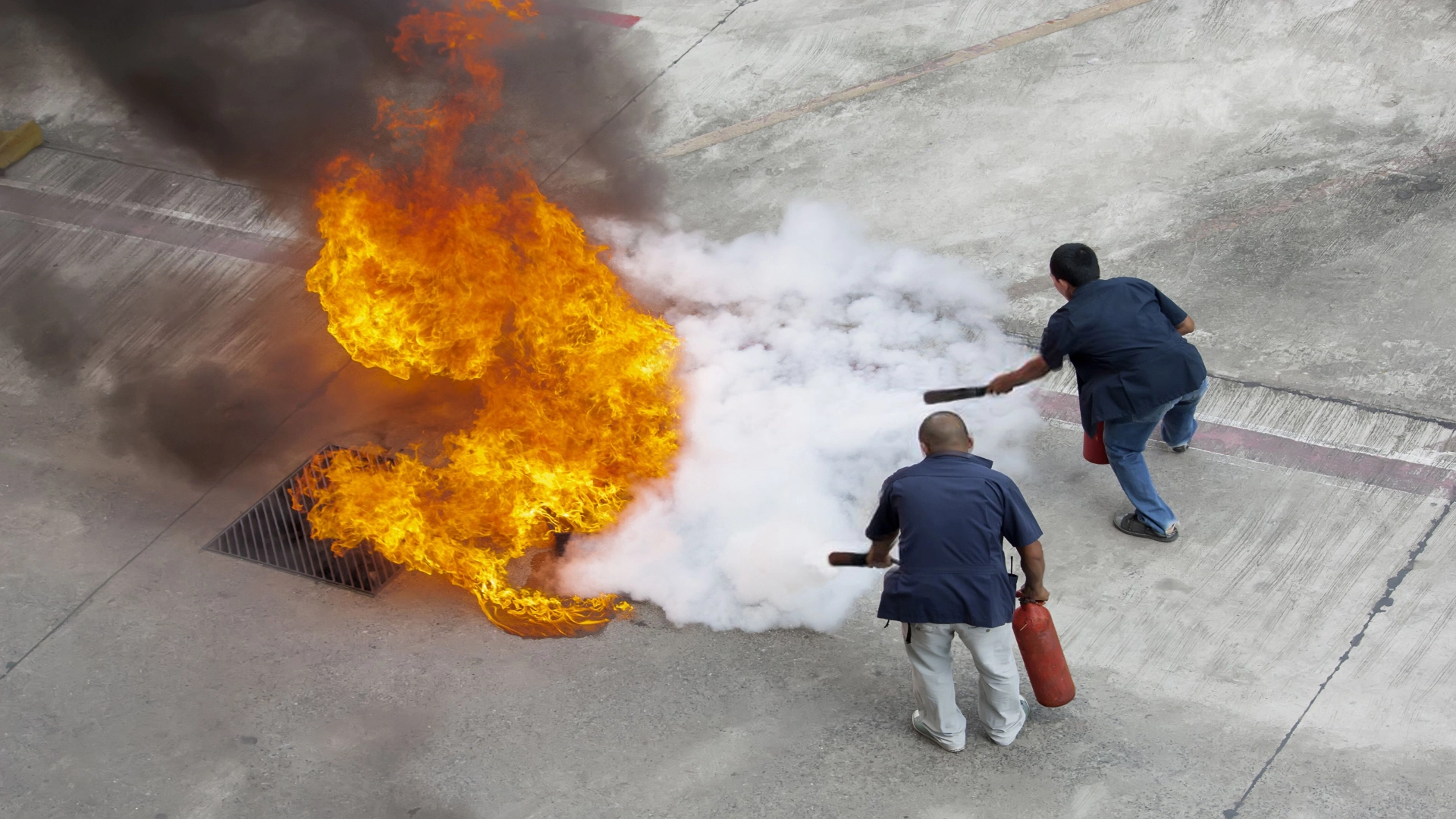
Advanced Fire Fighting — Module Overview (SAQA 242850)
Fire Ground Safety & PPE
Full structural fire-fighting PPE selection, donning, and use — tunic, trousers, helmet, gloves, boots, SCBA. Situational awareness and team communication on the fire ground
Water Supply Operations
Identifying and evaluating water supply sources — pressurised mains, static tanks, dams, rivers. Connecting to fire appliance pumping systems. Confirming safe working order before operation
Exterior Class A Fires
Hose line deployment and advancement for stacked material, small unattached structures (Lappas, Wendy houses, shacks), storage containers and dumpsters. Exposing and extinguishing hidden fires
Motor Vehicle Fires
Motor vehicle fire hazard assessment, approach angles, coolant and fuel system management, tyre and wheel fire considerations, controlled extinguishment and over-haul of vehicle fires
Interior Structure Fire Control
Structural fire behaviour — compartment fires, rollover, flashover indicators and backdraft awareness. Interior hose advancement techniques, door entry procedures, fog attack and straight-stream suppression
Ignitable Liquid Fires
Class B flammable liquid fire characteristics — foam and dry powder application technique, tank and spill fire operations, defensive and offensive strategy selection, fire perimeter management
Gas Cylinder Fire Control
Flammable gas cylinder fire hazards — LPG, acetylene and compressed gas cylinder behaviour in fire. Approach techniques, cooling operations, isolation procedures and safe withdrawal criteria
Search & Rescue Operations
Primary and secondary search techniques in smoke-filled structures — wall-following, team search patterns, victim location, drag and carry rescue techniques, victim assessment and fire ground first aid priorities
Standard Operating Procedures
Fire ground command structure, SOPs for all fire types, incident command system (ICS) awareness, radio communication protocols, fire ground accountability and post-incident documentation
Advanced Fire Fighting — 4-Week Programme Structure
4-Week Training Programme — SAQA 242850
- Week 1 — Fire Ground Safety, PPE, and Water Supply Operations: Introduction to fire service operations and the incident command system. Full structural fire fighting PPE selection, fitting, donning and doffing — tunic, over-trousers, structural helmet, fire fighting gloves, structural boots, and self-contained breathing apparatus (SCBA) theory and donning procedures. Personal protective equipment care and maintenance. Identifying water supply sources — pressurised mains hydrant connection, tender to hydrant relay, static water tanker operations, and open water source drafting. Evaluating water supply adequacy for the operational requirements. Connecting hose lines to pumping apparatus. Fire ground communication — radio protocols, hand signals, and team accountability systems
- Week 2 — Exterior Fire Operations and Motor Vehicle Fires: Hose line management — deploying, advancing, and operating hose lines in multiple configurations. Hand-held and monitor nozzle (master stream) operation — solid bore, fog and combination nozzles; correct operating positions, pressure management, water hammer prevention. Exterior Class A fire suppression operations — advancing on stacked or piled materials, attacking small unattached structures (Lappas, Wendy houses, shacks), storage containers and dumpsters. Locating, exposing and confirming complete extinguishment of hidden fire in Class A materials. Motor vehicle fire procedures — approach angles, engine compartment attack, fuel and coolant hazard management, tyre and wheel fire management, controlled suppression and overhauling vehicles to confirm full extinguishment
- Week 3 — Interior Structure Fire, Flammable Liquid and Gas Cylinder Operations: Structural fire behaviour — compartment fire dynamics, flashover indicators (rollover, heat signatures, smoke layering), backdraft warning signs, and appropriate defensive or offensive strategy decision-making. Door entry procedures — controlled door opening, reading conditions, advancing hose line with correct nozzle technique. Interior hose advancement — low-profile advancement, ceiling application for gas cooling, straight-stream direct attack, and hydraulic ventilation on withdrawal. Ignitable liquid (Class B) fire operations — foam application technique for spill fires, fuel tank fires, and pool fires using AFFF (aqueous film-forming foam) and dry powder. Gas cylinder fire control — LPG, acetylene and compressed gas cylinder fire approach, cooling hose stream technique, isolation valve identification and operation, and criteria for safe withdrawal when cooling is ineffective
- Week 4 — Search & Rescue, Applied Assessment & Certification: Search and rescue operations in structures — primary search under fire conditions using SCBA, wall-following right-hand and left-hand search patterns, team search techniques in large commercial spaces, victim detection, drag and carry rescue techniques for unconscious casualties. Fire ground first aid priorities — primary survey, airway management, CPR awareness, and victim packaging for ambulance handover. Integrated fire ground operations exercise — a full multi-scenario assessment where each candidate must individually demonstrate all SAQA 242850 specific outcomes across water supply, Class A suppression, motor vehicle fire, interior structure fire, flammable liquid fire, gas cylinder fire, and search and rescue. Practical assessment by a qualified assessor. Successful graduates receive their Certificate of Competence aligned to SAQA US 242850 and a Recommendation Letter
Book Your Fire Fighting Training
Basic (3 days · R2,500 · SAQA 12484) or Advanced (1 month · R10,000 · SAQA 242850). Certificate of Competence + Recommendation Letter. Free accommodation for all students.
Your Credentials on Completion
Both the Basic and Advanced fire fighting courses award two formal credentials — a Certificate of Competence aligned to the relevant SAQA unit standard, and a Recommendation Letter from Real Skills Technical FET. Both are recognised by employers across South Africa's fire services, mining, construction, manufacturing, petrochemical, hospitality, facilities management and emergency services sectors.
Certificate of Competence
An official Certificate of Competence aligned to your completed SAQA unit standard — SAQA US 12484 for Basic Fire Fighting or SAQA US 242850 for Advanced Fire Fighting. The certificate confirms your assessed competency across all specified outcomes and is the primary document required by employers in fire services, ERT roles, mining, construction, petrochemical and all regulated fire safety positions. Issued by Real Skills Technical FET on successful completion of the practical assessment.
Recommendation Letter
All successful graduates additionally receive a formal Recommendation Letter from Real Skills Technical FET — personally endorsing your fire fighting competency and professional conduct to prospective employers. This letter carries weight with HR departments, site safety managers, municipal fire services, and industrial ERT recruiters who actively hire qualified fire fighters from accredited training institutions across South Africa and the region.
Free Accommodation — Train From Anywhere
Entry Requirements — Who Can Enrol
✅ Fire Fighting Training Entry Requirements
Basic Fire Fighting (SAQA 12484) is open to anyone Grade 7+. Advanced Fire Fighting (SAQA 242850) requires Grade 9+ and Basic fire fighting competency is recommended
Why Fire Fighting Training Qualifications Are Essential
Legal Mandate — OHS Act
The OHS Act (85 of 1993) and the Environmental Regulations for Workplaces require employers to establish fire emergency procedures and ensure designated persons are trained to use fire fighting equipment — making certified fire fighting training legally mandatory for designated staff in all South African workplaces.
Construction & Mining
Every construction site and every mine in South Africa is required to maintain a trained emergency response team (ERT) with certified fire fighting personnel. SAQA-qualified fire fighters are actively recruited for site ERT roles on large construction, infrastructure and mining projects across all provinces.
Industrial & Petrochemical
Refineries, petrochemical plants, chemical manufacturing facilities and industrial complexes operate dedicated in-house fire brigades — recruiting Advanced fire fighting qualified personnel (SAQA 242850) for shift-based emergency response positions with competitive salaries and structured career advancement.
Facilities & Property Management
Commercial property managers, shopping centres, hospitals, universities, and large office complexes require trained fire wardens and ERT members in every building — creating a constant demand for Basic fire fighting certified staff in every metropolitan area across South Africa.
Municipal Fire Services
Municipal fire departments across South Africa — from small towns to major metros — recruit Advanced fire fighting qualified candidates as the entry requirement for firefighter recruit positions. SAQA 242850 is the base qualification that puts you in the running for a uniformed fire service career with a municipality.
Africa-Wide Demand
Infrastructure, mining and industrial projects across sub-Saharan Africa — in Zambia, Mozambique, Tanzania, Angola, Zimbabwe and DRC — consistently recruit South African-trained fire fighting qualified personnel for site ERT and industrial fire brigade roles that cannot be filled locally.
Career Paths After Fire Fighting Training
Municipal Firefighter
Municipal fire departments in metros and towns recruit SAQA 242850 qualified candidates as entry-level recruit firefighters — uniforms, pension, medical aid, and a structured promotion path.
Mine Rescue & ERT
Gold, platinum, coal and chrome mines require trained fire fighting and rescue personnel on every shift. SAQA 242850 is the foundational qualification for mine ERT roles across South Africa and sub-Saharan Africa.
Industrial Fire Brigade
Refineries, petrochem plants, LPG storage facilities and chemical plants operate full-time in-house fire brigades — recruiting Advanced fire fighting qualified personnel for shift-based positions.
Airport Fire Fighting (ARFF)
ACSA and regional airports recruit Airport Rescue Fire Fighting (ARFF) officers — Advanced fire fighting SAQA 242850 is the foundational qualification required for ARFF recruit entry.
Fire Warden / Safety Officer
Every commercial building, hospital, school and manufacturing plant requires designated trained fire wardens — Basic fire fighting certification (SAQA 12484) qualifies you for these positions.
Africa Emergency Projects
Infrastructure and energy projects across DRC, Zambia, Mozambique, Angola and Tanzania recruit South African-trained fire fighting certified personnel for site ERT and safety officer roles.
Enrol in Fire Fighting Training Today
Basic (3 days · R2,500) or Advanced (1 month · R10,000). SAQA aligned. Certificate of Competence. Recommendation Letter. Free accommodation. Job assistance included.
Frequently Asked Questions — Fire Fighting Training
Everything you need to know about Basic and Advanced fire fighting training at Real Skills Technical FET
Basic fire fighting training aligned to SAQA US 12484 (Perform Basic Fire Fighting) is a 3-day intensive course at NQF Level 2. Qualifying learners can select and use appropriate fire fighting equipment to extinguish or control fires in the workplace. The course covers the fire triangle, fire classification (Classes A–F), extinguisher selection and operation using PASS technique, hose reel operation, emergency evacuation procedures, fire alarm response, OHS Act obligations, and reporting on fire status. Cost: R2,500.
Advanced fire fighting training aligned to SAQA US 242850 (NQF Level 4, 12 credits) is a 1-month full-time course that qualifies learners to perform fire-ground operations ensuring life safety, fire control, and property conservation under supervision. The course covers water supply operations, Class A exterior fires, motor vehicle fires, interior structure fire control, flammable liquid fires, gas cylinder fires, and search & rescue. Ideal for municipal fire service recruits, mine ERT, industrial fire brigades, ARFF, and emergency services professionals. Cost: R10,000.
Basic fire fighting (SAQA 12484) costs R2,500 all-inclusive — 3 days, all materials, assessment, Certificate of Competence, Recommendation Letter, and free accommodation. Advanced fire fighting (SAQA 242850) costs R10,000 all-inclusive — 1 month full-time, all PPE and equipment provided, full fire-ground training, SAQA-aligned assessment, Certificate of Competence, Recommendation Letter, job placement assistance, and free accommodation for the full month. No hidden costs for either course.
You receive two credentials: a Certificate of Competence aligned to SAQA US 12484 (Basic) or SAQA US 242850 (Advanced) confirming your fire fighting competency — and a Recommendation Letter from Real Skills Technical FET personally endorsing your practical skills to prospective employers. Both credentials are recognised by fire departments, mine rescue, ERT employers, petrochemical companies, and industrial safety officers across South Africa and sub-Saharan Africa.
For the Basic course (SAQA 12484), no prior fire fighting experience is required — only Grade 7 literacy and numeracy. For the Advanced course (SAQA 242850), prior Basic fire fighting competency (or equivalent experience) is recommended but not mandatory. Physical and medical fitness for fire-ground work is required for the Advanced course. Our instructors build your practical fire fighting competency from the very first session regardless of background.
Yes. Real Skills Technical FET provides free student accommodation for the full duration of all fire fighting courses — 3 nights for Basic and the full month for Advanced. Accommodation is located next to the training facility. Whether you're from Cape Town, Limpopo, or travelling internationally — travel to Pretoria and your housing is covered at zero extra cost. This applies to all Basic and Advanced fire fighting training students.
Official Resources — Fire Fighting & Safety
Key official links for fire fighting training, safety legislation, and qualification registration in South Africa
SAQA — US 12484
Official SAQA registration for Unit Standard 12484 — Perform Basic Fire Fighting (NQF Level 2, 4 credits). View the full qualification scope, specific outcomes, and assessment criteria on the national qualifications register.
View on SAQASAQA — US 242850
Official SAQA registration for Unit Standard 242850 — Perform fire-ground operations for life safety, fire control and property conservation under supervision (NQF Level 4, 12 credits).
View on SAQAOHS Act — DoEL
The Occupational Health and Safety Act (85 of 1993) — including the Environmental Regulations for Workplaces that mandate fire fighting training, emergency response plans and fire equipment compliance for all South African employers.
Visit DoEL WebsiteRelated Health, Safety & Technical Courses
Complement your fire fighting qualification with a first aid, rescue, or technical trade certificate for maximum employability


Get Certified in Fire Fighting — Basic or Advanced
Basic (3 days · R2,500 · SAQA 12484) or Advanced (1 month · R10,000 · SAQA 242850 · NQF Level 4). Certificate of Competence + Recommendation Letter. Free accommodation for all students. Job placement assistance — all in one course at Real Skills Technical FET, Pretoria.