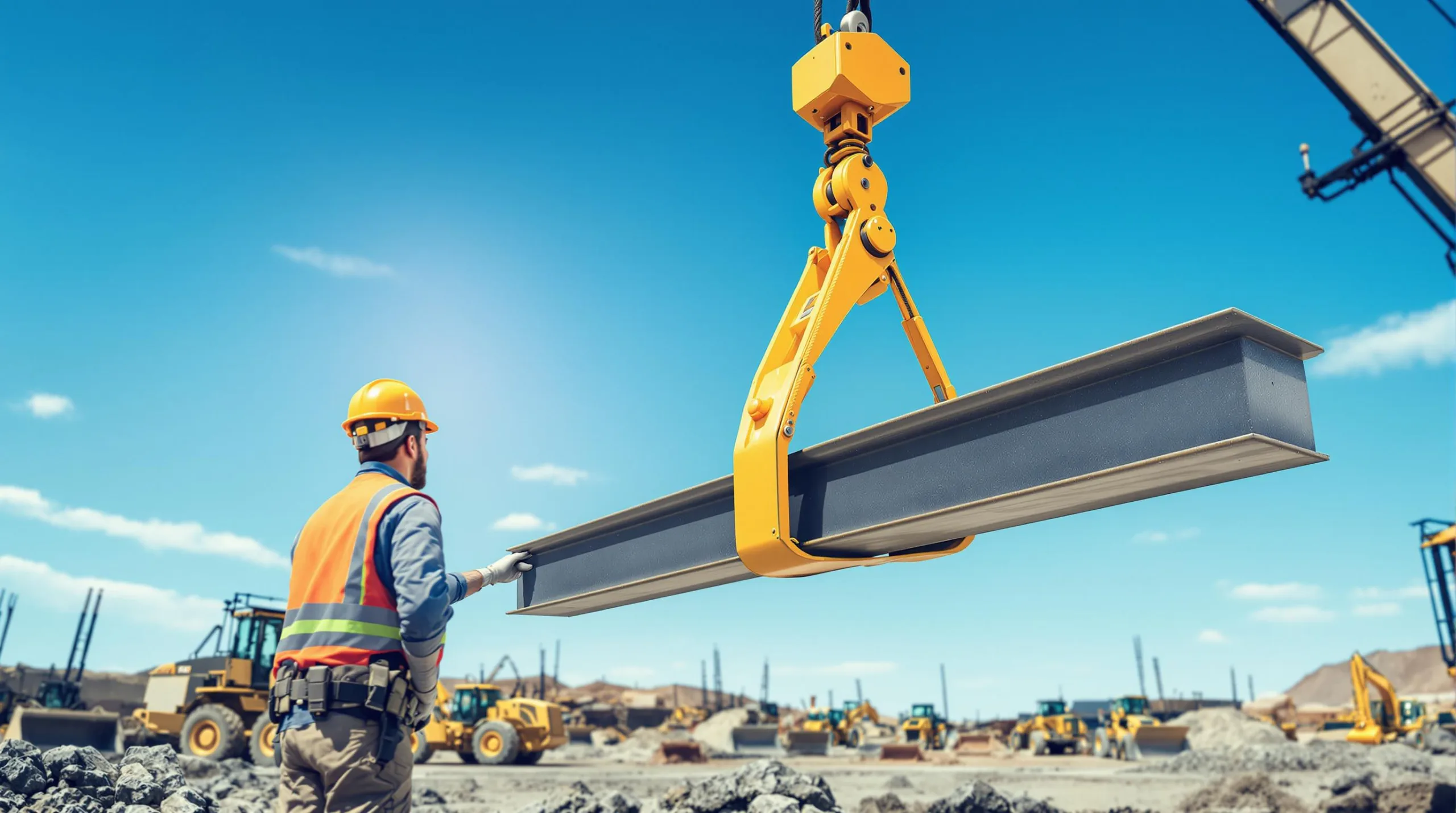
Rigging Training School
Two levels of professional rigging training at Real Skills Technical FET — Basic Rigger (3 days) and Advanced Rigger (1 week). Both with Certificate of Competence and Rigger Licence.
Rigging training at Real Skills Technical FET is offered at two nationally recognised levels: Basic Rigging (SAQA US 14706, 3 days, R4,500) and Advanced Rigging (SAQA 59731, 1 week, R6,500). Both programmes are fully accredited — Basic by TETA (Transport Education and Training Authority) and Advanced by MERSETA (Manufacturing, Engineering and Related Services SETA) — and both result in a Certificate of Competence and a Rigger Licence, valid for 2 years. Riggers are in constant demand across mining, construction, heavy industry, ports, and events — and a qualified rigger with a valid SAQA licence is essential to legally supervise and perform lifting operations at any South African worksite.
SAQA 14706 — Perform Basic Rigging Procedures
3-day intensive course · NQF Level 2 · 4 Credits
- Rigging fundamentals, sling types & lifting tackle
- Load calculation — weight, CoG & SWL
- Rigging equipment inspection & rejection criteria
- Safe rigging procedures & slinging techniques
- Signalling, banksman duties & communication
- OHS Act — rigging-specific legal compliance
SAQA 59731 — Advanced Rigger Qualification
1-week intensive course · NQF Level 4 · MERSETA
- Advanced load calculations & rigging plan preparation
- Multi-crane & tandem lift coordination
- Mechanical advantage — blocks, tackles & winches
- Rigging of abnormal loads & complex structures
- Lifting machine coordination & signal protocols
- Supervise and sign off rigging operations legally
Basic vs Advanced Rigging — Quick Comparison
| Feature | ⛓️ Basic Rigging | 🪝 Advanced Rigging |
|---|---|---|
| SAQA ID | 14706 | 59731 |
| NQF Level | Level 2 (4 Credits) | Level 4 |
| Accreditation | TETA | MERSETA |
| Duration | 3 Days | 1 Week (5 Days) |
| Course Fee | R4,500 | R6,500 |
| Credential | Cert of Competence + Basic Rigger Licence | Cert of Competence + Advanced Rigger Licence |
| Entry Requirement | Grade 9 / ABET Level 4 | Valid Basic Rigger Licence (14706) |
| Scope | Single-crane basic lifts | Multi-crane, complex & abnormal lifts |
| Accommodation | FREE (3 nights) | FREE (5 nights) |
| Licence Renewal | Every 2 Years | Every 2 Years |
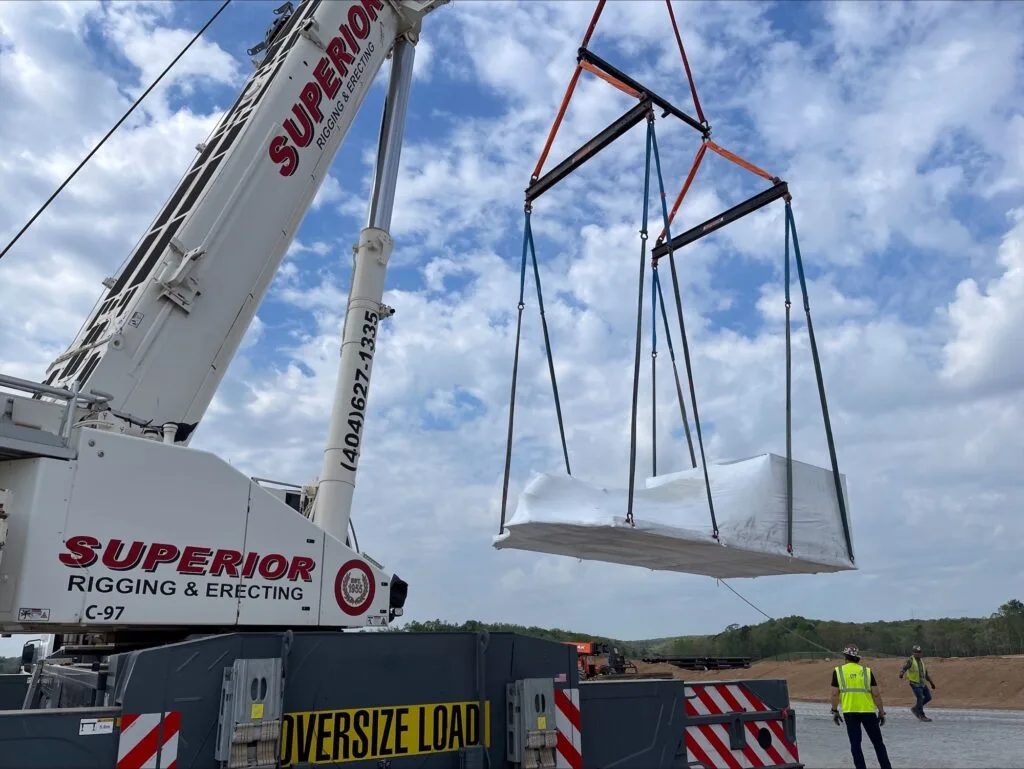
SAQA 14706 — Perform Basic Rigging Procedures
Basic rigging training (SAQA US 14706) teaches the fundamental knowledge and practical skills to perform safe rigging operations — the inspection, selection, and use of slings and lifting tackle to lift, move and stack loads safely and legally. Aligned to TETA (Transport Education and Training Authority) and registered on the NQF at Level 2 (4 credits), this 3-day course qualifies you to perform basic rigging operations across construction sites, mines, manufacturing plants, and ports. Graduates receive a Certificate of Competence and a Basic Rigger Licence, valid for 2 years.
Basic Rigging — What You Learn in 3 Days
Rigging Fundamentals
Definition of rigging, roles of riggers, banksmen and crane operators — legal responsibilities under the OHS Act and Driven Machinery Regulations
Sling Types & Selection
Wire rope slings, chain slings, synthetic (polyester) web slings — construction, safe working loads, colour coding, angle factors and proper selection for load type
Lifting Tackle & Hardware
Shackles, eye bolts, swivels, hooks, rings, spreader beams and lifting lugs — identification, SWL markings, inspection, correct use and rejection criteria
Equipment Inspection
Pre-use inspection of all rigging equipment — visual inspection criteria, rejection criteria for worn, damaged or uncertified equipment, and inspection record keeping
Load Calculations
Estimating load weight, locating the centre of gravity, understanding Safe Working Load (SWL), calculating sling loads at different angles using the angle factor
Hand Signals & Communication
SANS and OHS Act prescribed crane hand signals, banksman duties, verbal and radio communication protocols during lifting operations
Basic Rigging — 3-Day Training Programme
Day-by-Day Basic Rigging Programme
- Day 1 — Rigging Safety, Legislation & Equipment: Introduction to rigging and the legal framework — OHS Act (Act 85 of 1993), Driven Machinery Regulations, Lifting Machine Regulations. Roles and responsibilities of the rigger, banksman, lifting machine operator and supervisor. Introduction to all rigging equipment categories: wire rope slings, chain slings, synthetic web slings, shackles, hooks, eye bolts, swivels, lifting lugs, spreader beams and below-the-hook lifting devices. Marking, colour coding and SWL identification for all sling types. Pre-use inspection criteria for all rigging equipment and rejection criteria for worn, deformed, kinked, corroded or uncertified equipment. Workshop: Identify and inspect 12 items of rigging equipment — accept or reject with written justification.
- Day 2 — Load Calculations, Slinging Techniques & Communication: Estimating load weight using volume and density calculations for common materials (steel, concrete, timber). Locating the centre of gravity of regular and irregular loads. Calculating sling tensions at different sling angles (30°, 45°, 60° and 90°) using the angle factor — understanding the dramatic increase in sling load as included angle increases. Multi-leg sling arrangements — 2-leg, 3-leg and 4-leg bridle slings. Rigging hitches: vertical hitch, choker hitch, basket hitch, and their relative efficiencies and applications. Practical rigging exercises: rig a variety of loads using correct sling selection, correct hitch types, and correct hardware.
- Day 3 — Signals, Communication & Full Assessment: Prescribed OHS Act hand signals for crane operations — hoisting, lowering, slewing, travel, emergency stop. Banksman duties — taking control of the lift, positioning yourself relative to the load and crane operator, maintaining LOS, and guiding the operator. Practical banksman exercises with the crane. Written theory assessment (20%): multiple choice and short answer on rigging principles, legislation, sling selection, load calculation and inspection. Practical assessment (80%): candidates must select correct rigging equipment, inspect and accept/reject items, rig a load correctly, signal a simulated crane operation, and calculate sling loads. Competent candidates receive their Certificate of Competence aligned to SAQA 14706 and their Basic Rigger Licence.
Enrol in Basic Rigging Training
3 days · R4,500 all-inclusive · SAQA 14706 · TETA · Certificate of Competence + Basic Rigger Licence · Free accommodation
SAQA 59731 — Advanced Rigger Qualification
Advanced Rigging (SAQA 59731) is the second level of the South African rigging qualification pathway, aligned to NQF Level 4 and quality-assured by MERSETA. This 1-week course takes qualified basic riggers to the next level — covering multi-crane operations, advanced load calculations, rigging plan preparation, mechanical advantage systems, abnormal load rigging, and the legal authority to supervise complex lifting operations. The Advanced Rigger licence is the minimum requirement for supervisory and senior rigger positions on major construction, mining, and industrial projects. Graduates receive a Certificate of Competence and an Advanced Rigger Licence, valid for 2 years.
Entry to the advanced course requires a valid Basic Rigger Licence (SAQA 14706). If you do not yet hold a basic licence, enrol in our 3-day basic course first — you can complete both levels in the same visit with our combined programme.
Advanced Rigging — What You Master in 1 Week
Advanced Load Calculations
Engineering calculations for complex loads — eccentric CoG, variable mass distribution, dynamic loading factors, temperature and environmental allowances
Rigging Plan Preparation
Developing a formal lift plan — load data, rigging arrangement drawing, equipment selection schedule, safety exclusion zones, and emergency procedures
Multi-Crane & Tandem Lifts
Planning and executing lifts using two or more cranes — load sharing, synchronised movement, communication protocols and engineering sign-off requirements
Mechanical Advantage Systems
Wire rope systems, chain blocks, lever hoists, come-alongs, capstan winches — mechanical advantage ratios, friction losses, safe rigging of multi-fall systems
Abnormal & Special Loads
Rigging of large structural items, pressure vessels, generators, transformers and abnormal transport loads — custom lifting beams, hydraulic skidding systems
Supervision & Legal Authority
Responsibilities of the appointed rigger in terms of the OHS Act — issuing permits, supervising lifting teams, conducting pre-lift meetings and signing off lift plans
Advanced Rigging — 5-Day Training Programme
Day-by-Day Advanced Rigging Programme
- Day 1 — Advanced Theory, Load Engineering & Lift Planning: Review of basic rigging principles and the OHS Act at advanced level — responsibilities of the appointed rigger, contractor obligations, and the permitting system. Advanced load calculation theory: eccentric centre of gravity, multi-point lifting with unequal load distribution, dynamic load factors for shock loads and acceleration, environmental factors (wind, temperature). Introduction to formal lift plan preparation: scope of the lift, load data sheet, rigging arrangement sketch, equipment selection table, site layout diagram, exclusion zone calculation, emergency response plan.
- Day 2 — Rigging Plan Writing & Mechanical Advantage Systems: Candidates independently prepare a complete lift plan for an assigned scenario — assessed against SABS/ASME lift planning criteria. Mechanical advantage systems: single, double and triple sheave block and tackle arrangements — calculating mechanical advantage ratios and friction losses. Wire rope multi-fall systems — reeving, fleet angle, drum capacity. Chain blocks, lever hoists and come-alongs — correct setup, overload protection, inspection and operating limits. Capstan winches, jacks (hydraulic, screw, roller) and skid systems for moving heavy loads horizontally.
- Day 3 — Multi-Crane & Tandem Lifting Operations: Principles of tandem (two-crane) lifting — selecting crane pair, calculating load share, establishing communication protocols between two crane operators and the rigging foreman. Critical angles and rigging arrangements for tandem lifts — spreader beam vs. rigging direct. Safety exclusion zones for dual-crane operations. Practical exercise: plan and supervise a tandem lift using two small cranes — students rotate through roles of rigging foreman, crane operator 1 signal person, and crane operator 2 signal person. Three-crane lifts (theory): load sharing mathematics, centre of gravity shifts during lift, sequencing and risk assessment.
- Day 4 — Abnormal Loads, Special Rigging & Supervision Authority: Rigging of abnormal loads: pressure vessels (horizontal and vertical), large transformers, generator sets, industrial chillers, structural modules. Custom lifting beams — design basics, material selection, load testing requirements and marking. Hydraulic skidding systems and Goldhofer/SPMT trailer coordination for heavy haul projects. Supervision authority: the Appointed Rigger in terms of OHS Act — what the appointment covers, issuing and controlling permits to work, conducting pre-lift meetings with all parties, completing the lift record form after each critical lift. Incident investigation — rigging incident causation analysis, root cause identification and preventive action.
- Day 5 — Full Assessment & Advanced Rigger Licence: Written theory assessment (20%): advanced load calculations, lift plan critique, multi-crane principles, legislation, and equipment engineering. Practical assessment (80%): candidates must prepare a lift plan for an assigned load, select and inspect all rigging equipment, rig the load correctly to an advanced arrangement, supervise and signal a multi-point lift, and brief the assessor on the safety controls applied. Candidates found Competent receive their Certificate of Competence aligned to SAQA 59731 and their Advanced Rigger Licence — valid for 2 years and recognised by employers across South Africa and the region.
Enrol in Advanced Rigging Training
1 week · R6,500 all-inclusive · SAQA 59731 · MERSETA · Certificate of Competence + Advanced Rigger Licence · Free accommodation
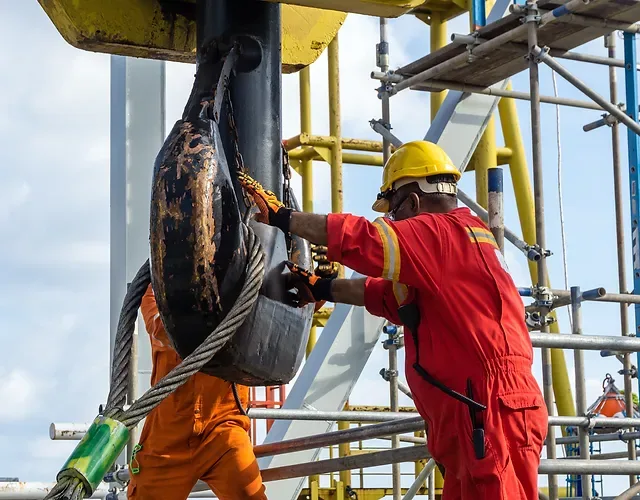
Your Credentials — Certificate of Competence + Rigger Licence
Both levels of rigging training result in two credentials: a Certificate of Competence (aligned to the relevant SAQA unit standard) and a Rigger Licence issued on successful assessment. The rigger licence is the OHS Act-recognised proof of competency required before any person can legally perform or supervise rigging operations on a South African worksite. Licences expire every 2 years and must be renewed through a refresher assessment.
Certificate of Competence
Issued by Real Skills Technical FET and quality-assured by TETA (basic) or MERSETA (advanced). Aligned to SAQA 14706 (basic) or SAQA 59731 (advanced). Confirms assessed competence across the full rigging curriculum — theory (20%) and practical (80%).
Rigger Licence Card
A physical Rigger Operator Licence card issued to all competent graduates. Required by the OHS Act before performing any rigging operations professionally. Valid for 2 years — must be renewed with a refresher assessment on expiry. Recognised industry-wide across South Africa.
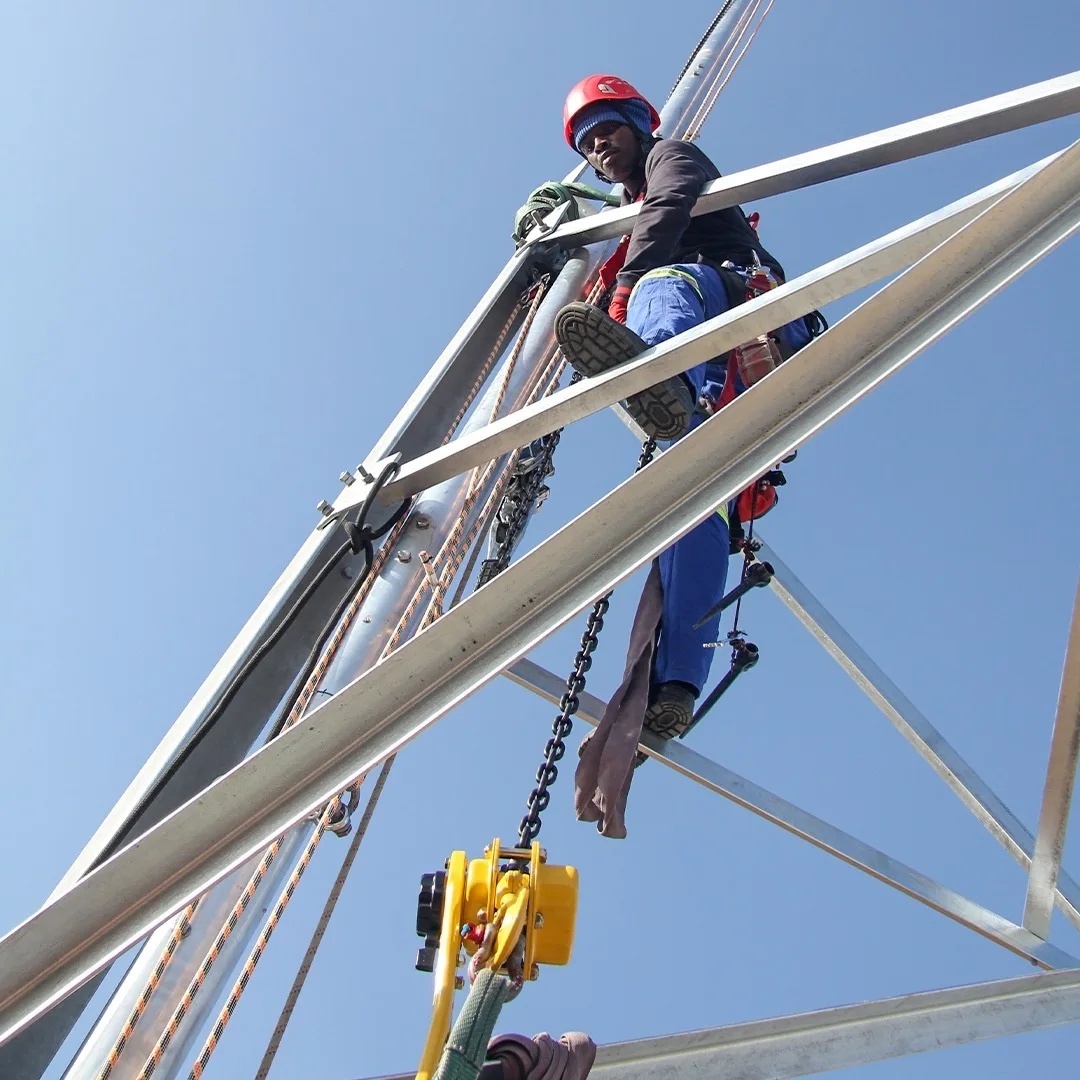
Entry Requirements
✅ Basic Rigging (SAQA 14706) — Entry Requirements
No prior rigging experience required — we build your rigging skills from the ground up in 3 intensive days
🪝 Advanced Rigging (SAQA 59731) — Entry Requirements
Builds directly on basic rigging competence — valid basic rigger licence is required before enrolling
Free Accommodation — Available for Both Courses
Why Qualified Riggers Are in High Demand
Rigging is a legally regulated trade in South Africa. The OHS Act prohibits any person from performing rigging operations unless they hold a valid, current Rigger Licence. This creates a legally-mandated baseline demand for qualified riggers at every mine, construction site, manufacturing plant, port, and event venue in the country — demand that consistently exceeds supply.
OHS Act Legal Requirement
South African law mandates a qualified rigger on every lifting operation. Employers face prosecution for using unlicensed riggers. This makes your Rigger Licence a legal prerequisite — not just an advantage — for employment.
Mining Industry Demand
Every mine in South Africa — from Bushveld platinum and Free State gold to Northern Cape iron ore and coal — requires licensed riggers for shaft sinking, underground equipment installation, surface conveyor work and maintenance.
Construction & Infrastructure
High-rise construction, bridge building, power station construction, desalination plants, and road infrastructure all require licensed riggers for lifting structural steel, precast concrete panels, plant and equipment into position.
Ports & Shipping
Durban, Cape Town, Richards Bay and Saldanha Bay ports use riggers continuously for container operations, ship chandlery, vessel maintenance, and loading/offloading of heavy project cargo and engineering equipment.
Strong, Growing Wages
A qualified rigger earns between R15,000 and R30,000+ per month. Advanced riggers and rigging foremen on major projects earn significantly more. Rigging is one of the best-paid short-course trades in South Africa.
Africa-Wide Opportunity
Mining and infrastructure projects across sub-Saharan Africa — DRC, Zambia, Tanzania, Mozambique, Angola and Ghana — routinely hire South African-trained and SAQA-qualified riggers for project teams.
Career Paths After Rigging Training
Mine Rigger
Rigging on surface and underground at gold, platinum, coal, chrome, manganese and iron ore mines.
Construction Rigger
Structural steel erection, precast concrete installation and plant lifting on commercial & civil construction sites.
Industrial Plant Rigger
Equipment installation, machinery relocation and maintenance lifts in manufacturing, petrochemical and energy facilities.
Port & Marine Rigger
Container port operations, ship repair, marine salvage and heavy lift project cargo at South African ports.
Rigging Foreman
Supervise rigging teams, prepare lift plans, sign off critical lifts — the advanced rigger licence is the entry point to this role.
Africa Projects
Mining, energy and infrastructure project teams across sub-Saharan Africa actively recruit SAQA-qualified South African riggers.
Job Placement Assistance
Industry Connections
We work directly with construction companies, mining contractors, industrial employers, and port operators who regularly hire our SAQA 14706 and 59731 certified rigging graduates by name.
CV & Licence Presentation
Our team helps you present your Certificate of Competence and Rigger Licence correctly on your CV — positioning you effectively for site manager, HR, and engineering recruiter review.
Vacancy Alerts
Registration in our graduate database gives you direct notification of rigging vacancies at partner companies — often before they are publicly advertised. Rigging positions fill quickly; our network gets you in first.
Graduate Network
Join a growing community of Real Skills-qualified riggers working across South Africa and Africa — sharing job leads, contract opportunities and field knowledge from active construction, mining and industrial sites.
Frequently Asked Questions
Everything you need to know about rigging training at Real Skills Technical FET
Rigging training covers the safe lifting, moving, and positioning of heavy loads using equipment such as slings, shackles, chains, hooks, hoists and winches. The OHS Act requires a valid Rigger Licence before any person can legally perform or supervise lifting operations. Rigging training is essential for anyone working in construction, mining, manufacturing, ports, or heavy industry who needs to rig loads or supervise rigging operations.
Basic Rigging (SAQA 14706) covers fundamental rigging — sling selection, tackle inspection, single-crane lifts, basic load calculations, and OHS compliance. It is the entry-level licence for all rigging work. Advanced Rigging (SAQA 59731) goes beyond this to cover multi-crane tandem lifts, formal lift plan preparation, mechanical advantage systems, abnormal load rigging, and the authority to legally supervise rigging teams and sign off critical lift plans.
Both levels result in two credentials: a Certificate of Competence (aligned to the relevant SAQA unit standard, quality-assured by TETA or MERSETA) and a Rigger Licence Card. The licence is the OHS Act-recognised document required to perform or supervise rigging. Licences are valid for 2 years and must be renewed via a refresher assessment on expiry.
Yes — and this is the most efficient approach. Basic Rigging runs Mon–Wed (3 days) and Advanced Rigging runs Mon–Fri the following week. You can complete both qualifications in approximately 8 training days. Free accommodation is provided for the full combined duration. The combined cost is R11,000 (R4,500 basic + R6,500 advanced) — contact us to book a back-to-back combined intake.
Basic Rigging training costs R4,500 all-inclusive (3 days, SAQA 14706, TETA). Advanced Rigging costs R6,500 all-inclusive (1 week, SAQA 59731, MERSETA). Both fees include all training materials, the formal assessment, Certificate of Competence, Rigger Licence, job assistance, and free accommodation for the full course duration. No hidden costs.
Yes — Real Skills Technical FET provides free student accommodation next to the training facility for all rigging students for the full course duration (3 nights for basic, 5 nights for advanced). Rigger licences expire every 2 years. A refresher/recertification assessment is required to renew — contact us for renewal training. Old copy of your expired licence is required for the renewal assessment.
Official Rigging & Lifting Industry Resources
Key official references for rigging qualifications, OHS legislation and trade regulation in South Africa
TETA
Transport Education and Training Authority — the quality assurance body for basic rigging training (SAQA 14706) in South Africa. Accredits providers and quality-assures assessments and certificates.
Visit TETAMERSETA
Manufacturing, Engineering and Related Services SETA — quality assurance body for advanced rigging (SAQA 59731) and the broader rigging qualification pathway at NQF Level 4.
Visit MERSETADept. of Labour — OHS Act
The OHS Act (Act 85 of 1993), Driven Machinery Regulations, and Lifting Machine Regulations — the legal framework requiring Rigger Licences for all professional lifting operations in South Africa.
Visit WebsiteRelated Lifting & Engineering Courses
Pair your rigging training with a crane operation or engineering trade qualification for maximum employability


Become a Licensed Rigger — Basic or Advanced
Basic Rigging (3 days · R4,500 · SAQA 14706 · TETA) or Advanced Rigging (1 week · R6,500 · SAQA 59731 · MERSETA). Certificate of Competence + Rigger Licence. Free accommodation. Job placement assistance included.