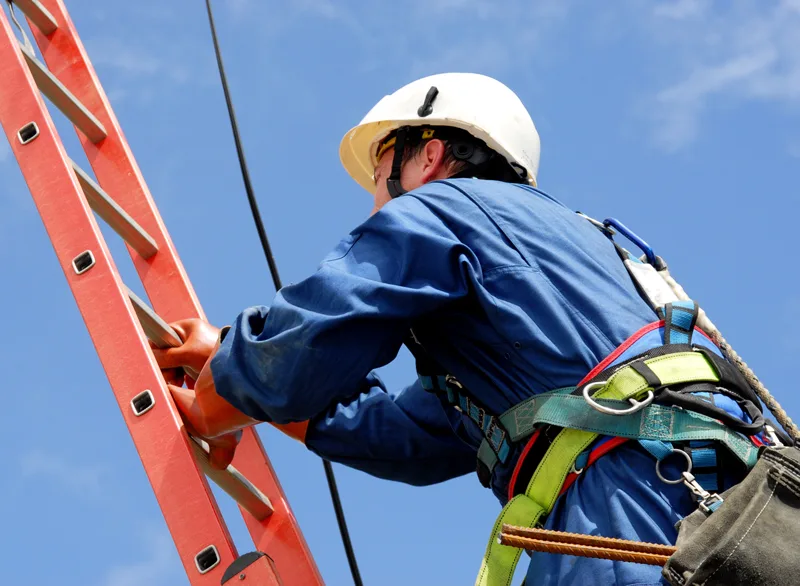
Working at Heights Training School
Get certified in working at heights in just 1 week at Real Skills Technical FET — fall arrest, harness systems, anchor points & lifelines.
Working at heights training at Real Skills Technical FET is a 1-week intensive programme aligned to SAQA US 229998 — covering the full scope of fall arrest principles required to perform work at height safely. The course develops practical skills in fall arrest equipment inspection, harness fitting, anchor point selection, double lanyard systems, and the use of pre-installed vertical and horizontal lifelines — all in compliance with the OHS Act. Graduates receive both a Certificate of Competence aligned to SAQA US 229998 and an IWH (Institute for Working at Heights) Licence valid for 3 years, recognised across construction, mining, infrastructure, and industrial maintenance industries throughout South Africa and the region.
Working at Heights Training — Course Overview
Our working at heights course is designed for any person who performs tasks at a height where there is a risk of injury from a fall — in construction, mining, maintenance, telecommunications, civil infrastructure, and industrial environments. The course integrates theory and practical training daily, ensuring you understand not only how to use fall arrest equipment correctly but also the legislation governing safe work at height, the OHS Act requirements, and rescue awareness. Every student leaves with the hands-on skill to inspect, fit, anchor, and use a full fall arrest system in a real work environment.
Working at Heights — Fall Arrest Certification
1-week intensive course — fall arrest, harness systems, anchor points, double lanyard & lifeline training
- Full 1-week theory and practical programme
- Fall arrest principles and OHS Act legislation
- Full body harness inspection, fitting & use
- Fall arrest equipment: harness, lanyard, energy absorber
- Anchor point selection and load considerations
- Double lanyard technique — 100% tie-off
- Pre-installed vertical & horizontal lifeline systems
- Retractable lifeline setup and use
- PPE requirements for work at height
- Medical fitness awareness and suspension trauma
- Rescue awareness while awaiting rescue
- Certificate of Competence + IWH Licence (3 years)
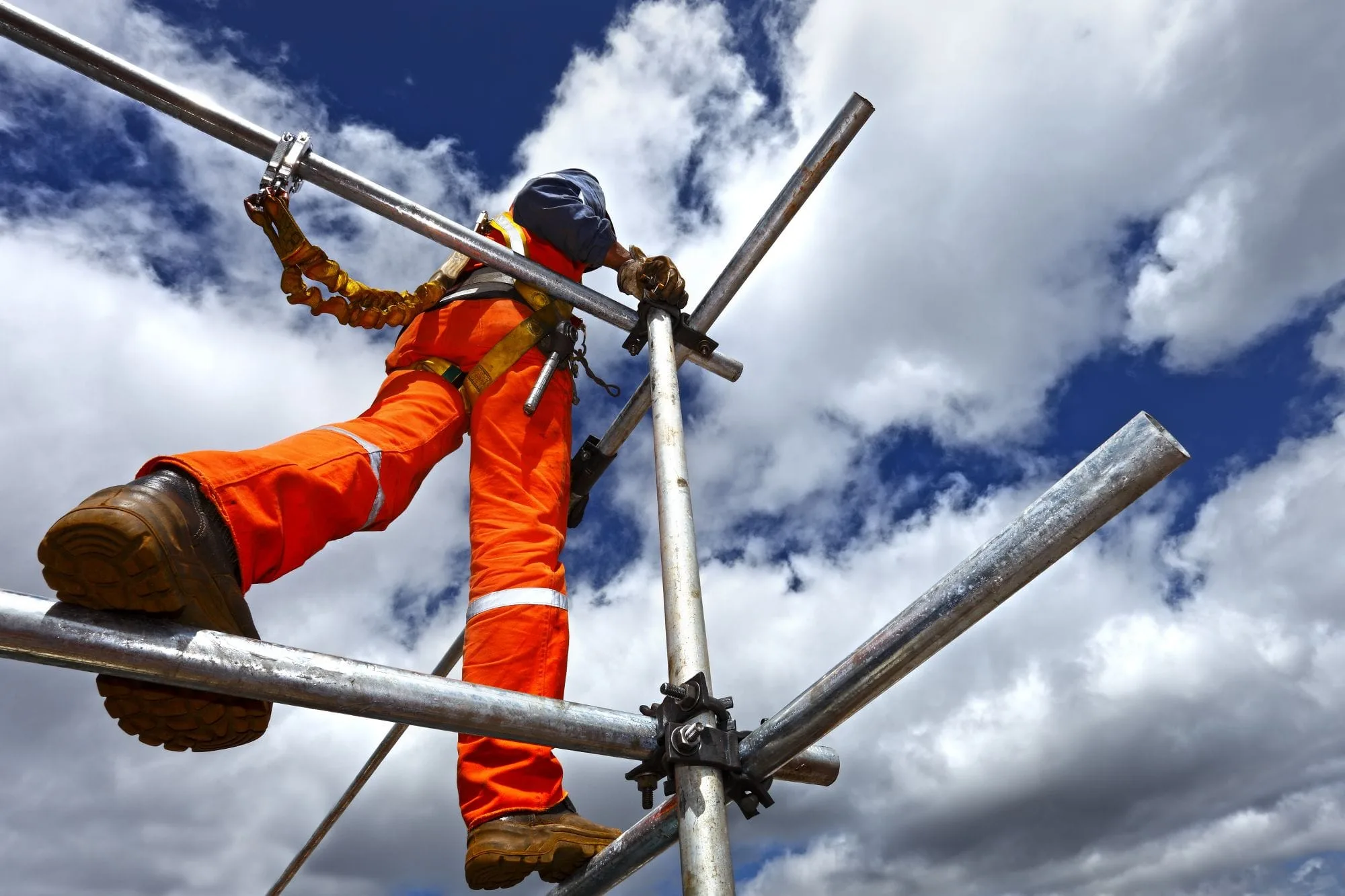
SAQA US 229998 — Working at Heights: Fall Arrest Techniques
SAQA Unit Standard 229998 is titled "Explain and perform fall arrest techniques when working at height" — registered on the National Qualifications Framework at NQF Level 1 with 2 credits. The unit standard addresses the need for qualified workers who can safely perform tasks at height — defined in South African legislation as any work at a height of 3 metres or more above ground level where there is a risk of injury from a fall.
Falls from height — including from ladders and scaffolding — are one of the single biggest causes of workplace fatalities in South Africa. SAQA 229998 training equips workers with the fall arrest knowledge and practical skills to eliminate or control this risk in full compliance with the OHS Act and the associated Construction Regulations. Our course at Real Skills Technical FET covers every practical outcome and embedded knowledge requirement specified in SAQA US 229998.
Training Modules — What You Master in 1 Week
Fall Arrest Principles
Understanding fall arrest vs work positioning, the physics of a fall, fall factors, tended distance and energy absorption
OHS Act Legislation
Legal framework for working at height — Construction Regulations, OHS Act requirements and employer/employee duties
Full Body Harness
Harness types, inspection criteria, correct donning and adjustment, attachment points and compatibility with lanyards
Lanyards & Energy Absorbers
Single and double lanyards, energy-absorbing lanyards, shock-pack inspection, limitations of tended distance (2m)
Anchor Point Selection
Identifying suitable anchor points, load requirements, compatibility of connectors and hardware, preventing point loading
Connectors & Hardware
Karabiners, maillons, double-action snap hooks, scaffold hooks — inspection, locking mechanisms and correct use
Double Lanyard Technique
100% tie-off technique using V-type and double-legged lanyards — maintaining continuous connection while moving at height
Lifeline Systems
Pre-installed vertical lifelines, horizontal lifelines, rope grabs, retractable lifelines — setup, inspection and correct use
PPE Requirements
Helmets with chinstraps, gloves, goggles, safety footwear, close-fitting overalls and task-specific PPE for height work
Medical Fitness Awareness
Medical certificate requirements for height work — conditions that prevent safe working at height and self-declaration process
Suspension Trauma & Rescue
Risks during suspension, suspension trauma prevention, keeping feet moving, rescue awareness and communication while awaiting rescue
Equipment Inspection
Pre-use inspection routines for all fall arrest equipment — identifying damage, deformation, wear and equipment that must be retired
5-Day Training Structure — Day by Day
The working at heights course follows a structured 5-day progression — building from legislation and fall arrest theory on Day 1 through to full practical assessment and certification on Day 5. Theory and practical are integrated every day — no full classroom days.
Day 1 — OHS Act Legislation & Fall Arrest Theory
Day 1 Programme
- OHS Act & Construction Regulations: Overview of occupational health and safety legislation applicable to working at height — employer duties, employee duties, risk assessment requirements and the legal definition of working at height (3m+)
- Why heights are dangerous: Statistics on falls from height in South Africa — ladders, scaffolding, rooftops, platforms and elevated structures. Understanding the leading causes of fall fatalities and how fall arrest systems prevent them
- Fall arrest vs work positioning: Distinguishing between fall restraint systems (preventing a fall from occurring) and fall arrest systems (stopping a fall in progress) — when each applies and how they are combined in practice
- Fall physics and energy absorption: Understanding fall factors, freefall distance, tended distance (2m maximum for energy-absorbing lanyards), and how energy absorbers dissipate impact force on the body during arrest
- Introduction to fall arrest equipment: Overview of all components in a fall arrest system — full body harness, energy-absorbing lanyard, connectors, anchor, and lifeline. How each component functions and the consequences of incorrect use or equipment failure
- Medical fitness requirements: Understanding the medical certificate of fitness requirement for height work — conditions that disqualify a worker from working at height including heart disease, epilepsy, balance disorders, fear of heights and diabetes
Day 2 — Full Body Harness, PPE & Equipment Inspection
Day 2 Programme
- Full body harness types: Overview of harness types — work positioning harnesses, fall arrest harnesses, combination harnesses — identifying attachment points for fall arrest D-rings (dorsal and sternal), work positioning rings and rescue loops
- Harness inspection — pre-use: Systematic pre-use inspection of a full body harness — checking webbing for cuts, abrasion, chemical damage and UV degradation; inspecting stitching, buckles, D-rings, and labels; retiring condemned harnesses
- Donning a full body harness correctly: Practical exercise — each student dons a full body harness, adjusts all leg loops, shoulder straps and chest strap to correct fit, and confirms dorsal D-ring position and webbing orientation
- PPE for work at height: Selection and inspection of helmets (chinstrap mandatory at height), gloves, safety glasses/goggles, safety footwear and close-fitting overalls — PPE specific to the height work task
- Lanyard types and inspection: Single-legged lanyards, V-type double lanyards, double-legged lanyards, work positioning lanyards — inspection criteria for webbing, stitching and hardware; identifying lanyards that must be retired
- Energy absorber inspection: Identifying intact vs deployed energy absorbers — understanding that a deployed shock pack must be replaced before reuse. Webbing pack inspection, tear-away stitching condition and housing integrity
- Storing and maintaining fall arrest equipment: Correct storage away from chemicals, UV exposure, sharp edges and moisture. Equipment register requirements and tagging of equipment that has arrested a fall
Day 3 — Anchor Points, Connectors & Double Lanyard Technique
Day 3 Programme
- Anchor point requirements: What makes a suitable anchor point — minimum load capacity, structural integrity assessment, material compatibility, position relative to the work area and consequences of incorrect anchor selection
- Connector types and inspection: Locking karabiners, maillons, double-action snap hooks, pylon hooks and scaffold hooks — identifying each type, gate locking mechanisms, inspection for damage and deformation, and compatibility rules
- Point loading and connector compatibility: Understanding why connectors must not be loaded over a sharp edge, why mixing incompatible hardware creates failure risk, and the importance of checking hook-to-anchor size compatibility
- Double lanyard technique — 100% tie-off: Practical exercise — students practice continuous connection while moving across a simulated elevated structure using a double-legged lanyard, attaching to the next anchor point before releasing the first
- Positioning the anchor point overhead: Understanding how anchor position above the worker reduces fall distance — the consequences of sub-optimal anchor positioning and how to calculate fall clearance in confined or low structures
- Connecting to structure anchor points: Correctly connecting to scaffold tubes, structural beams, eyebolts and dedicated anchor devices — wrapping technique for scaffold connections, angle and gate loading avoidance
- Rescue plan awareness: Understanding that a fall arrest rescue plan must be in place before work commences — what information a rescue plan must contain and how a worker communicates their situation while suspended
Day 4 — Lifeline Systems & Suspension Rescue Awareness
Day 4 Programme
- Vertical lifeline systems: Setup and use of pre-installed vertical lifelines with rope grabs — correct direction of travel, loading the rope grab, inspection before use and the consequences of incorrect attachment during a fall
- Horizontal lifeline systems: Use of pre-installed horizontal lifelines with traveller trolleys — moving along a horizontal lifeline, understanding end-anchor loads, sag considerations and the increased fall distance in mid-span positions
- Retractable lifelines: Inspection and use of retractable fall arresters — differentiating between standard retractables and those with integral energy absorbers, load ratings and the correct attachment height for retractable use
- Practical lifeline exercise: Each student uses a vertical lifeline, a horizontal lifeline traveller, and a retractable fall arrester in a supervised practical exercise — demonstrating correct connection, movement and disconnection technique
- Suspension trauma: Understanding orthostatic intolerance during suspension — why hanging in a harness can lead to unconsciousness, the importance of keeping feet moving (pumping legs), and the maximum time before rescue must be completed
- Rescue awareness while awaiting rescue: Physical risks during suspension including hot surfaces, electricity and fumes. Communication protocols after a fall arrest, self-rescue options if available, and preparing for rescuer-assisted rescue from a suspended position
- Integrated fall protection plan: Overview of the fall protection plan required under Construction Regulations — what it must contain, who is responsible for developing it, and how each worker's training and equipment ties into the plan
Day 5 — Assessment & Certification
Day 5 — Assessment Programme
- Knowledge assessment: Written or verbal knowledge assessment covering OHS Act requirements, fall arrest principles, equipment identification, inspection criteria, anchor point selection, double lanyard technique and suspension trauma awareness
- Practical competency assessment: Each candidate independently demonstrates: harness inspection and correct donning; selection and inspection of lanyards and connectors; selection of a suitable anchor point; correct use of double lanyard technique; use of a vertical lifeline and rope grab; and pre-use inspection of a retractable lifeline
- Equipment inspection assessment: Candidates inspect a set of fall arrest equipment (including deliberately defective items) and correctly identify items that are serviceable vs items that must be withdrawn from service — with justification
- Competent or Not Yet Competent: The formal assessment is conducted against the specific outcomes of SAQA US 229998 — candidates are assessed as Competent or Not Yet Competent. Not Yet Competent candidates receive targeted remedial practice and reassessment
- Certificate of Competence issued: Successful candidates receive their Certificate of Competence aligned to SAQA US 229998, confirming competency in fall arrest techniques for work at height
- IWH Licence issued: Competent candidates are registered and receive their IWH (Institute for Working at Heights) Licence valid for 3 years — the industry-recognised working at heights licence required by contractors, mines and construction companies across South Africa
Book Your Working at Heights Training
1 week. R4,500. SAQA 229998. Certificate of Competence + IWH Licence valid 3 years. Free accommodation included.
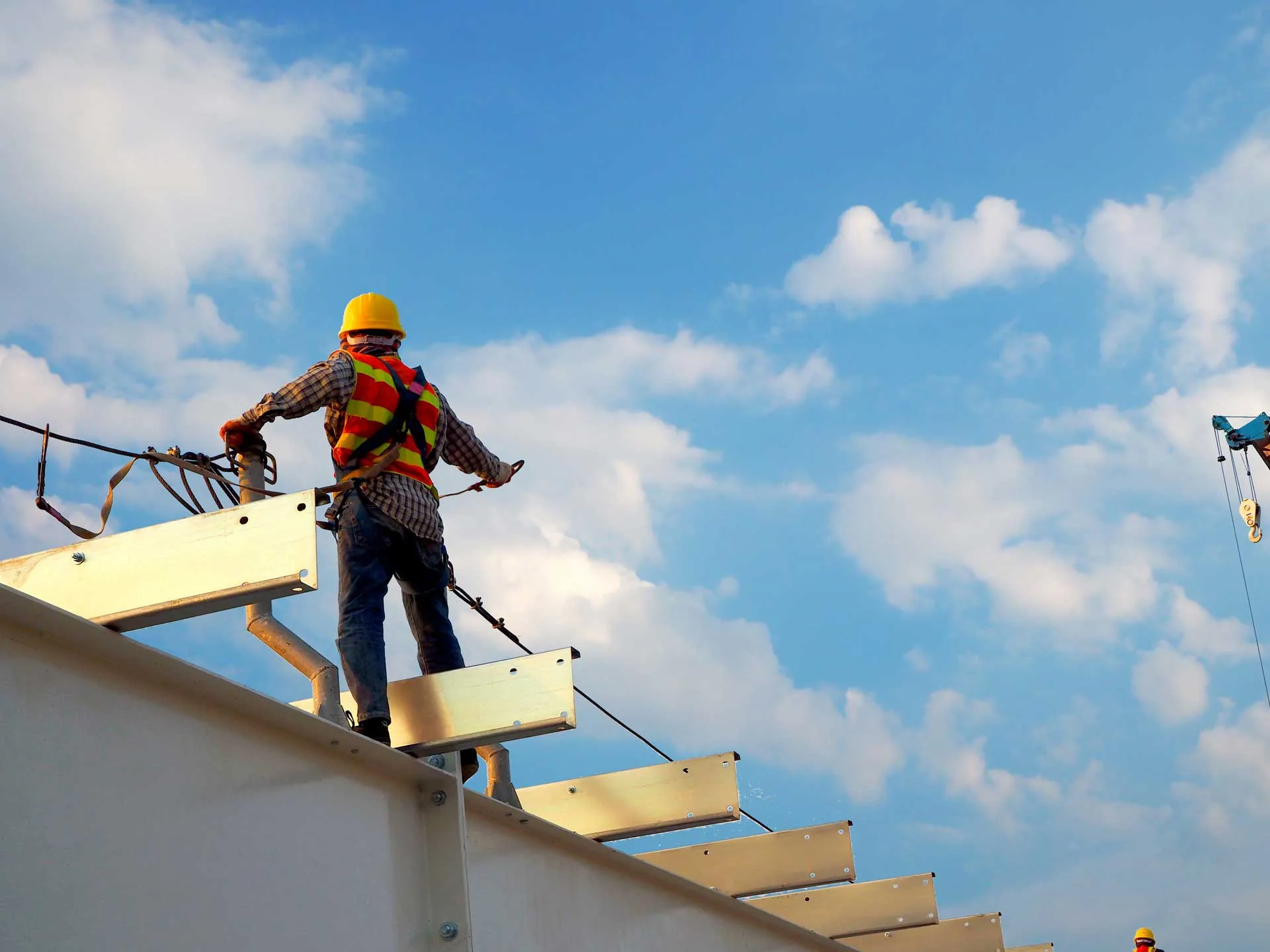
Your Credentials on Completion — Certificate & IWH Licence
Candidates who achieve full competency across the knowledge and practical assessments receive two formal credentials from Real Skills Technical FET — both aligned to SAQA US 229998 and recognised across South Africa's construction, mining, and industrial sectors.
Certificate of Competence
An official Certificate of Competence aligned to SAQA US 229998, issued by Real Skills Technical FET. The certificate confirms competency across all specific outcomes of the unit standard — fall arrest principles, harness use, anchor selection, double lanyard technique, lifeline use, equipment inspection and OHS Act compliance. This certificate is the primary qualification document required when contractors, construction companies, and mines verify your working at heights training status.
IWH Licence — 3 Year Validity
All competent graduates are registered with the IWH (Institute for Working at Heights) and receive an IWH Licence valid for 3 years. The IWH licence is the industry-standard credential used by site safety officers, principal contractors and mining health and safety departments to verify that a worker is trained and certificated to work at height in South Africa. The licence must be renewed every 3 years through refresher training and reassessment.
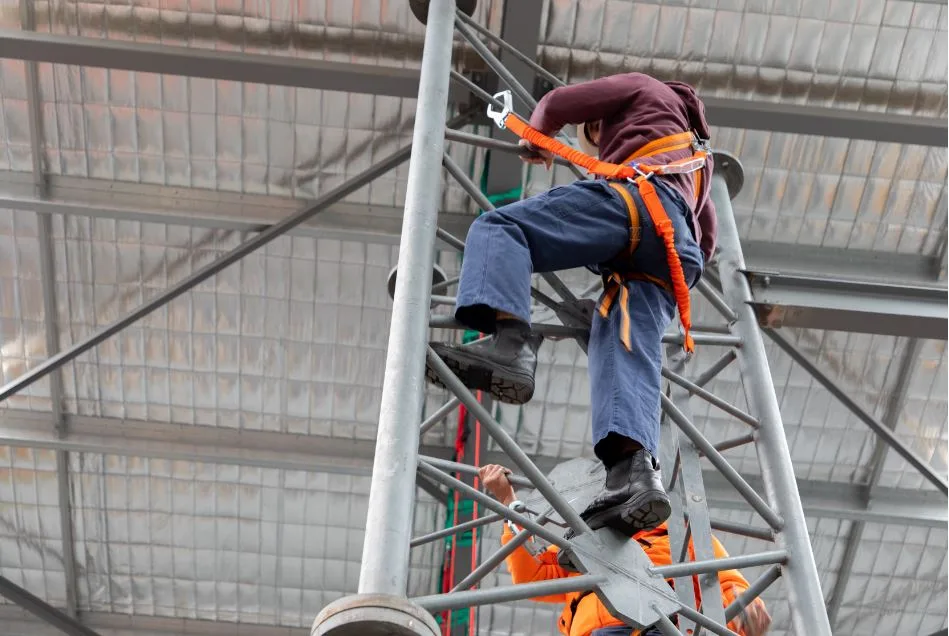
Entry Requirements — Who Can Enrol
✅ Working at Heights Training Entry Requirements
No prior height work experience required — we build your fall arrest skills systematically over 5 days
A medical certificate of fitness issued by an occupational health practitioner may be required before practical height work — your admissions team will advise on this at enrolment. Candidates with existing construction, mining, or maintenance site experience typically find the course content directly applicable to their daily work context and progress quickly through the practical exercises.
Free Accommodation — Train From Anywhere
Why Working at Heights Certification Is Essential
Falls from height remain one of the leading causes of workplace fatalities in South Africa. The OHS Act and Construction Regulations require that any worker performing tasks at a height where there is a risk of injury from a fall must be trained and certified. Without a valid working at heights certificate and IWH licence, workers cannot legally be deployed on any OHS Act regulated construction site, mine, or industrial plant.
Legal Compliance
The OHS Act and Construction Regulations make working at heights certification mandatory for any person performing height work on a regulated site. Without the IWH licence, you cannot be placed on-site by a principal contractor or mine employer.
Construction Industry Demand
Every construction project in South Africa that involves work above ground level requires working at heights certified personnel. Certified height workers are in constant demand on residential, commercial, civil and infrastructure projects.
Mining & Industrial Plants
Mines, refineries, power stations, chemical plants and processing facilities require all maintenance and construction personnel working at height to hold a valid IWH licence. Certification is a pre-employment requirement at most sites.
Telecommunications & Infrastructure
Tower climbers, fibre installation crews, overhead line workers and telecommunications infrastructure teams all require working at heights certification as a minimum requirement for site access and employment.
3-Year Licence Validity
Your IWH licence is valid for 3 years from date of issue — giving you 3 years of certified height work before renewal is required. The licence is nationally recognised and verifiable against the IWH register.
Fast Career Access
A working at heights certificate gained in just 1 week opens immediate employment doors — site access, higher-risk work allowances, and improved daily rates on construction sites and industrial shutdowns.
Career Paths After Working at Heights Certification
Construction Site Worker
Access elevated work areas on construction projects — scaffolding, formwork, steelwork erection, cladding, roofing and façade work requiring certified height workers.
Mining Maintenance
Perform maintenance and inspection tasks on elevated mine structures, conveyor headframes, processing plant structures and silo interiors requiring fall arrest certification.
Industrial Plant Maintenance
Work on refineries, chemical plants, power stations and manufacturing facilities — all of which require IWH-licenced personnel for any maintenance task performed above ground level.
Tower & Telecom Climbing
Access telecommunications towers, masts, and antenna structures for installation and maintenance work — a field that requires mandatory fall arrest certification for every climber.
Electrical & Overhead Lines
Electrical overhead line workers, substation maintenance teams and electrical infrastructure crews all require height certification as a pre-employment condition of site access.
Africa Projects
Infrastructure and industrial projects across sub-Saharan Africa consistently require South African-trained height workers — your SAQA 229998 certificate and IWH licence travels with you.
Job Assistance Programme
Industry Connections
We work directly with construction companies, mines, industrial contractors, plant maintenance operators and scaffolding firms who regularly recruit our SAQA 229998 certified working at heights graduates directly.
CV Preparation
Our team helps you present your Certificate of Competence and IWH Licence correctly on your CV — maximising your appeal to site managers, safety officers and HR departments who verify height certification before hire.
Vacancy Alerts
Registration in our graduate database means direct notification of working at heights vacancies at partner companies — shutdown contracts, construction site access roles, and industrial maintenance positions requiring IWH-licenced personnel.
Graduate Network
Join a community of certificated Real Skills graduates working at height across South Africa and sub-Saharan Africa — sharing job leads, shutdown contracts, and site access opportunities.
Get Your Working at Heights Certificate & IWH Licence in 1 Week
1 week. R4,500. SAQA 229998. Certificate of Competence + IWH Licence (3 years). Free accommodation. Job placement assistance — all included.
Frequently Asked Questions
Everything you need to know about working at heights training at Real Skills Technical FET
Working at heights training aligned to SAQA US 229998 covers: OHS Act legislation for height work; fall arrest principles and physics; full body harness inspection and donning; energy-absorbing lanyards and connectors; anchor point selection; double lanyard technique (100% tie-off); vertical and horizontal lifeline systems; retractable fall arresters; PPE requirements; medical fitness awareness; and suspension trauma and rescue awareness. The course is entirely practical and theory-integrated — no classroom-only days.
You receive two credentials: a Certificate of Competence aligned to SAQA US 229998 — confirming competency in fall arrest techniques; and an IWH (Institute for Working at Heights) Licence valid for 3 years. The IWH licence is the industry-standard credential required by principal contractors, construction companies and mines to verify that a worker is certified to perform work at height in compliance with the OHS Act.
Working at heights training at Real Skills Technical FET takes 1 week (5 full working days), Monday to Friday. The course costs R4,500 all-inclusive — covering theory, practical, all fall arrest equipment used in training, the formal assessment, your Certificate of Competence, your IWH Licence, job placement assistance, and free accommodation for the full week. There are no additional costs.
No prior experience is required. The minimum requirement is Grade 9 (NQF Level 1) education, the ability to attend full-time for 1 week, physical fitness for practical height work, and medical fitness confirming no conditions that prevent safe work at height (heart disease, epilepsy, fear of heights, balance disorders, diabetes). The course builds your fall arrest skills systematically from Day 1.
Yes. Real Skills Technical FET provides free student accommodation for the entire 1-week course for all working at heights students. Accommodation is located next to the training facility — no transport costs or daily commuting. Students from all South African provinces and SADC countries are welcome. Travel to Pretoria and your housing for the full week is provided at no extra cost.
The IWH licence issued after successful completion of working at heights training is valid for 3 years from the date of issue. When the licence expires, holders must complete a working at heights refresher course and reassessment to renew their certification. Expired IWH licences are not accepted on construction sites, mines or industrial facilities — renewal before expiry is strongly recommended.
Industry Resources for Height Workers
Key official links for working at heights training, certification and South African height safety legislation
SAQA — US 229998
Official SAQA registration for Unit Standard 229998 — fall arrest techniques for working at height. Access the qualification scope, specific outcomes and embedded knowledge requirements on the national qualifications register.
View on SAQADepartment of Labour — OHS Act
OHS Act regulations, Construction Regulations governing work at height, fall protection plan requirements, and machinery safety regulations applicable to height work in South Africa.
Visit WebsiteConstruction Regulations 2014
The Construction Regulations issued under the OHS Act govern fall protection plans, working at height requirements, and the mandatory certification of workers performing tasks at height on construction sites.
View RegulationsRelated Safety & Trade Courses
Build a broader skills portfolio — add additional qualifications to expand your career opportunities


Get Your Working at Heights Certificate & IWH Licence in 1 Week
Intensive fall arrest training. SAQA 229998 aligned. R4,500 all-inclusive. Certificate of Competence + IWH Licence valid 3 years. Free accommodation for the full week. Job placement assistance — all in one course.