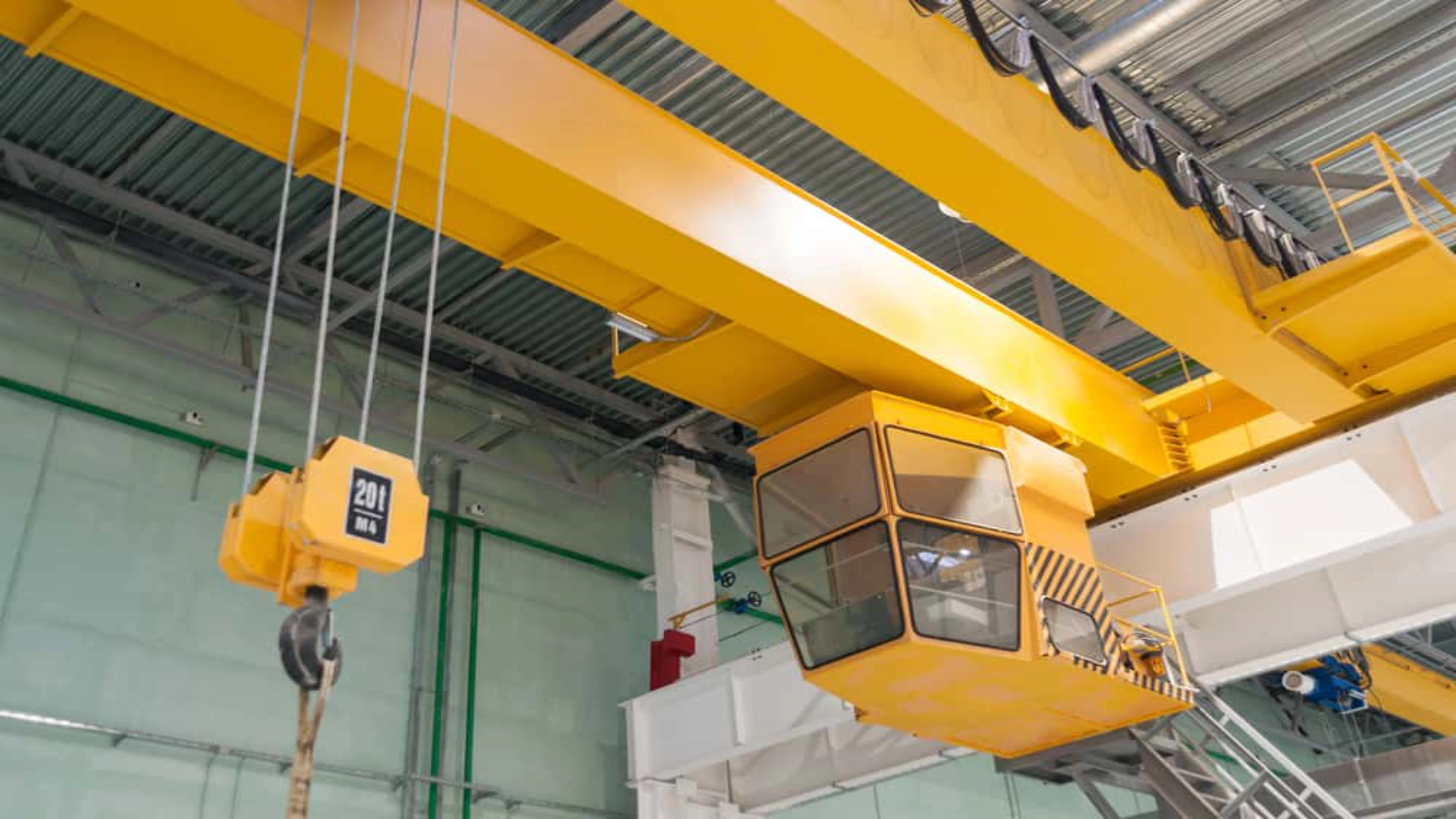
Overhead Crane Operator Training
Get QCTO-registered as a certified overhead crane operator. 5-day intensive training — 2 days theory, 3 days hands-on operation on real overhead bridge cranes. Free accommodation available. Only R4,500. Pretoria & Bloemfontein campuses.
South Africa's manufacturing, steel, mining, and construction sectors depend on overhead crane operators to keep materials moving safely and efficiently. The overhead crane — also known as a bridge crane or EOT (Electric Overhead Travelling) crane — is the cornerstone of every major production floor, warehouse, steel mill, and fabrication shop. At Real Skills Technical FET, our overhead crane training delivers the QCTO-registered Occupational Certificate, real machine hours on genuine overhead cranes, and active job assistance — all within a focused 5-day programme for R4,500. We welcome students from all nine provinces at our Pretoria and Bloemfontein campuses.
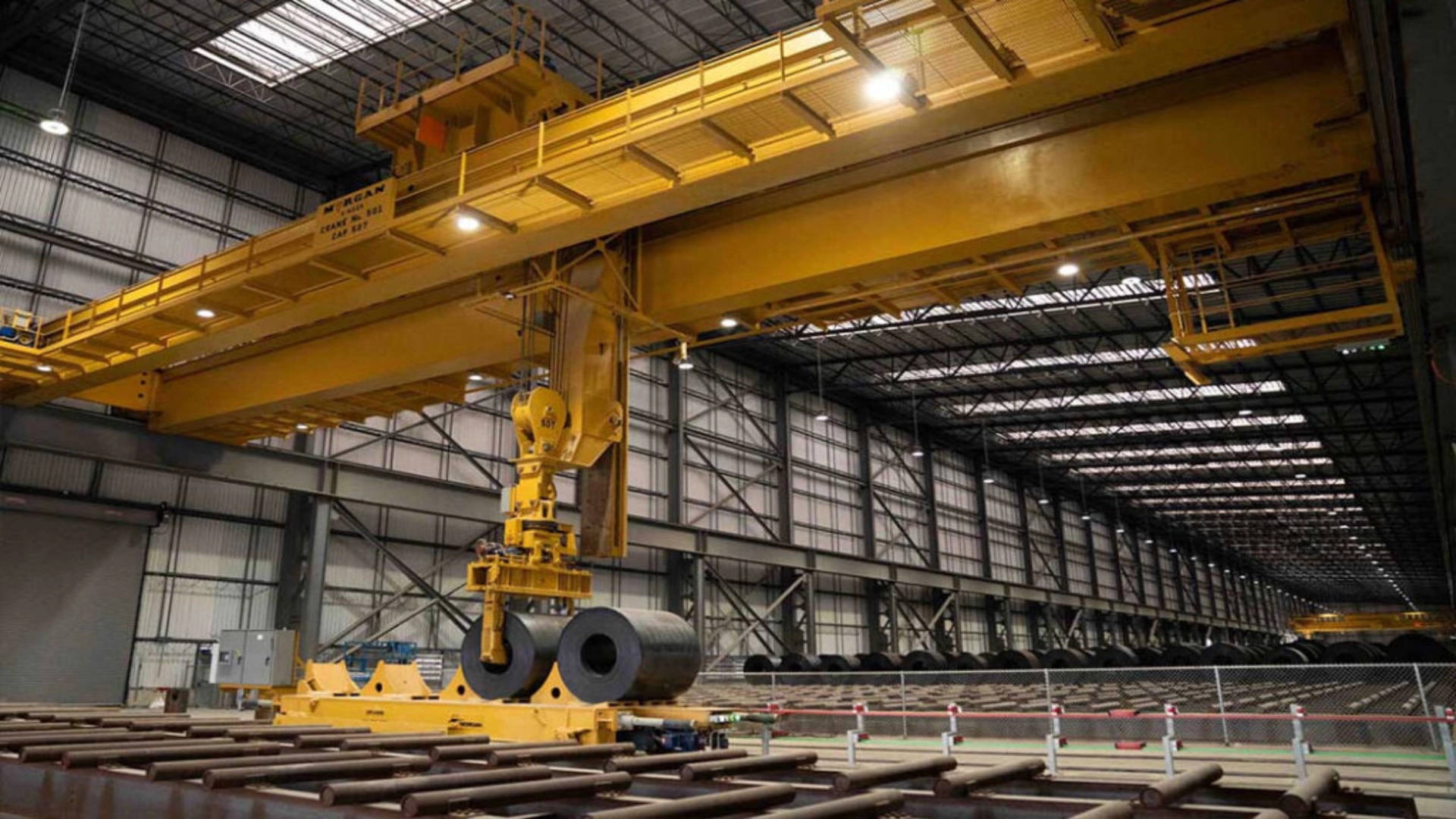
Overhead Crane Training — 2 Days Theory, 3 Days Practical
Our overhead crane operator course is a QCTO-registered Occupational Certificate programme delivered over five consecutive working days. The first two days are classroom-based, covering overhead crane systems and components, load calculations, rigging and slinging theory, OHS Act and Driven Machinery Regulations compliance, and safe operating procedures. Days three through five take you onto real overhead bridge cranes under the direct supervision of our qualified, industry-experienced instructors.
This is not a simulator or theory-only programme. Every student operates an actual overhead crane during the practical phase, using pendant controls and radio remote controls to replicate the exact conditions and tasks they will encounter in a live industrial environment. With a strict 4:1 student-to-instructor ratio throughout all practical sessions, every student receives focused, individual coaching to build genuine operational competence and safety awareness.
Overhead Crane Training: OHS Act & Driven Machinery Regulations Compliance
Operating an overhead crane in South Africa requires a QCTO Occupational Certificate and compliance with the Occupational Health and Safety Act (OHS Act) and the Driven Machinery Regulations. Our programme is specifically structured to meet these legal requirements, ensuring graduates are immediately employable on compliant industrial sites.
Full Overhead Crane Training Curriculum
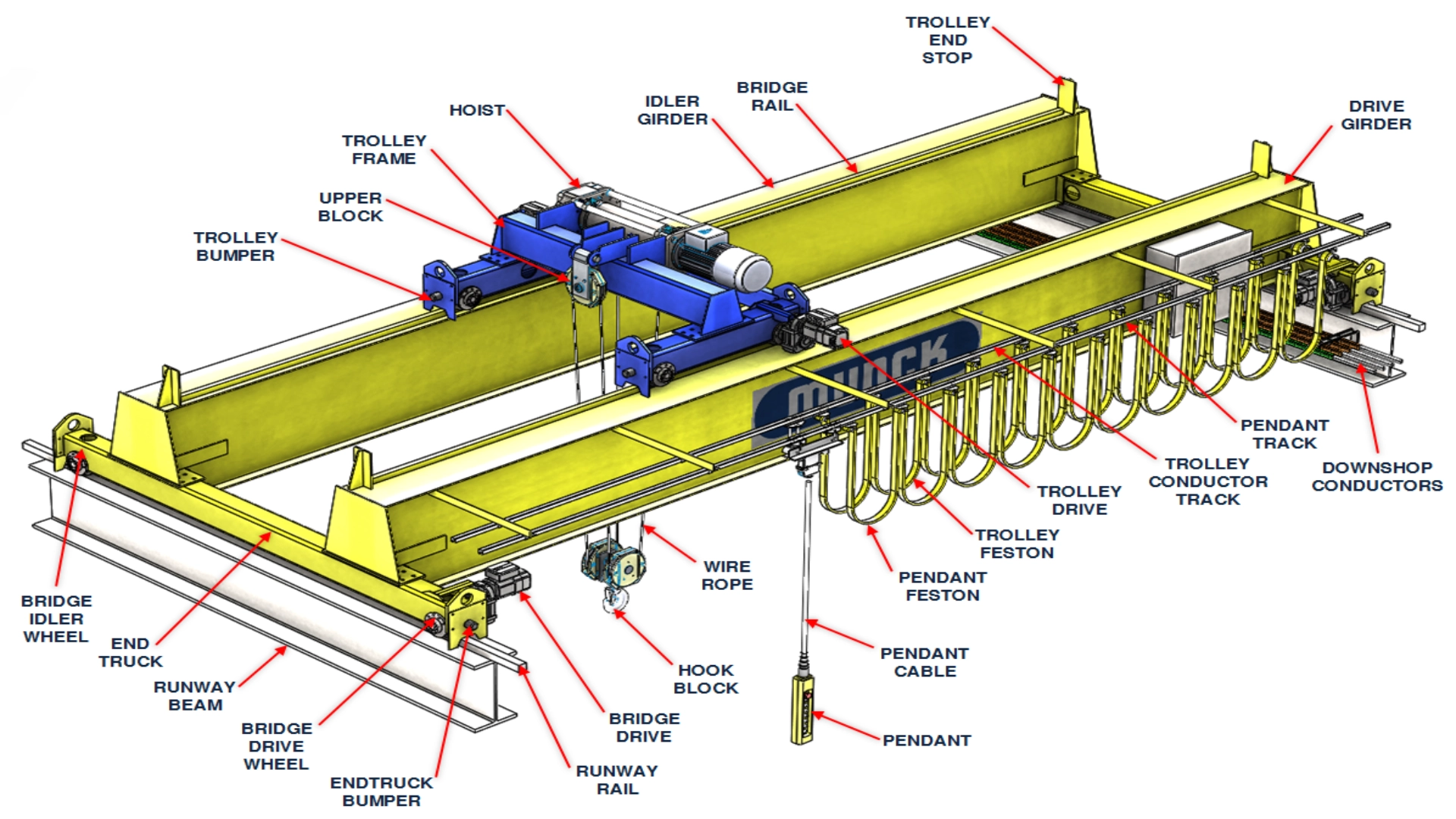
- Crane Components & Systems: Bridge, end carriages, crab/hoist unit, runway rails, pendant stations, radio remote controls, limit switches, overload protection devices, and electrical supply systems on single and double-girder overhead cranes
- Pre-Operation Inspection: Comprehensive daily inspection checklist — hook condition and safety latch, wire rope inspection, brake function test, limit switch verification, pendant and remote control checks, structural and mechanical inspection, and logbook completion
- Load Charts & Rated Capacity: Reading and interpreting crane load charts, understanding Safe Working Load (SWL) and Working Load Limit (WLL), load radius calculations, and the legal obligations of operators regarding overloading prevention
- Rigging, Slinging & Load Attachment: Wire rope slings, chain slings, web slings — correct selection, inspection, and use. Shackles, swivels, eye bolts, and lifting beams. Sling angles and de-rating, load balance and centre of gravity, and tag line use for load control
- Pendant & Remote Control Operation: Safe use of pendant push-button stations, radio remote controllers and joystick remotes — emergency stop activation, directional controls (bridge travel, cross-travel, hoist up/down), and two-blocking prevention
- Hoisting Operations: Controlled lifts — pick-and-carry, inching and positioning, load float prevention, lowering loads safely, landing loads on dunnage, and operating in restricted headroom environments
- Bridge Travel & Cross-Travel: Safe tramming with loaded and unloaded hook, coordinated travel and cross-travel movements, buffer approach speeds, and landing accuracy in tight industrial bays
- Proximity Awareness & Collision Avoidance: Working safely around pedestrians, forklifts, and other cranes on shared runways. Exclusion zone management, signaller communication, and anti-collision systems
- Hand Signals & Communication: Standard overhead crane hand signal protocol — all SANS-specified signals for hoist, travel, emergency stop, and load positioning. Radio communication procedures between operator and signaller
- Tandem Lift Operations (Introduction): Principles of coordinated lifts using two cranes — load sharing calculations, synchronisation, and the elevated safety requirements for tandem operations
- Emergency Procedures: Power failure response, suspended load emergency, fire response, evacuation with load lowered, and emergency lowering using manual lowering valves on hoist units
- Maintenance Checks & Fault Reporting: Operator-level daily and weekly maintenance obligations, greasing points on end carriages and crab, wire rope lubrication, identifying and reporting electrical and mechanical defects, and pre-shift logbook records
- OHS Act & Driven Machinery Regulations: Section 8 general duties, Driven Machinery Regulations for overhead cranes, certificate of competency requirements, the legal obligations of the employer and operator, and incident reporting procedures
Daily Training Schedule
The overhead crane training programme runs Monday to Friday, 08:00–16:00 at both our Pretoria (Gauteng) and Bloemfontein (Free State CBD) campuses. Days 1–2 are conducted in the classroom and rigging yard. Days 3–5 are spent operating the overhead crane, with each student receiving substantial direct crane operating time under instructor supervision.
Reserve Your Place on the Next Intake
Overhead crane training cohorts fill fast at both campuses. Secure your seat for R4,500 and get your QCTO certificate in 5 days.
Two Training Campuses — Pretoria & Bloemfontein
Real Skills delivers overhead crane training from two fully equipped campuses, serving students from Gauteng, the Free State, Limpopo, North West, Mpumalanga, and every other province. Both campuses have operational overhead bridge cranes, dedicated theory classrooms, and free accommodation for qualifying students.
Pretoria Campus
Our flagship Gauteng campus — the training hub closest to South Africa's largest industrial and manufacturing regions in Gauteng, North West, Limpopo, and Mpumalanga.
Bloemfontein Campus
Our Free State CBD campus — serving students from the Free State, Northern Cape, Eastern Cape, and KwaZulu-Natal industrial and mining regions.
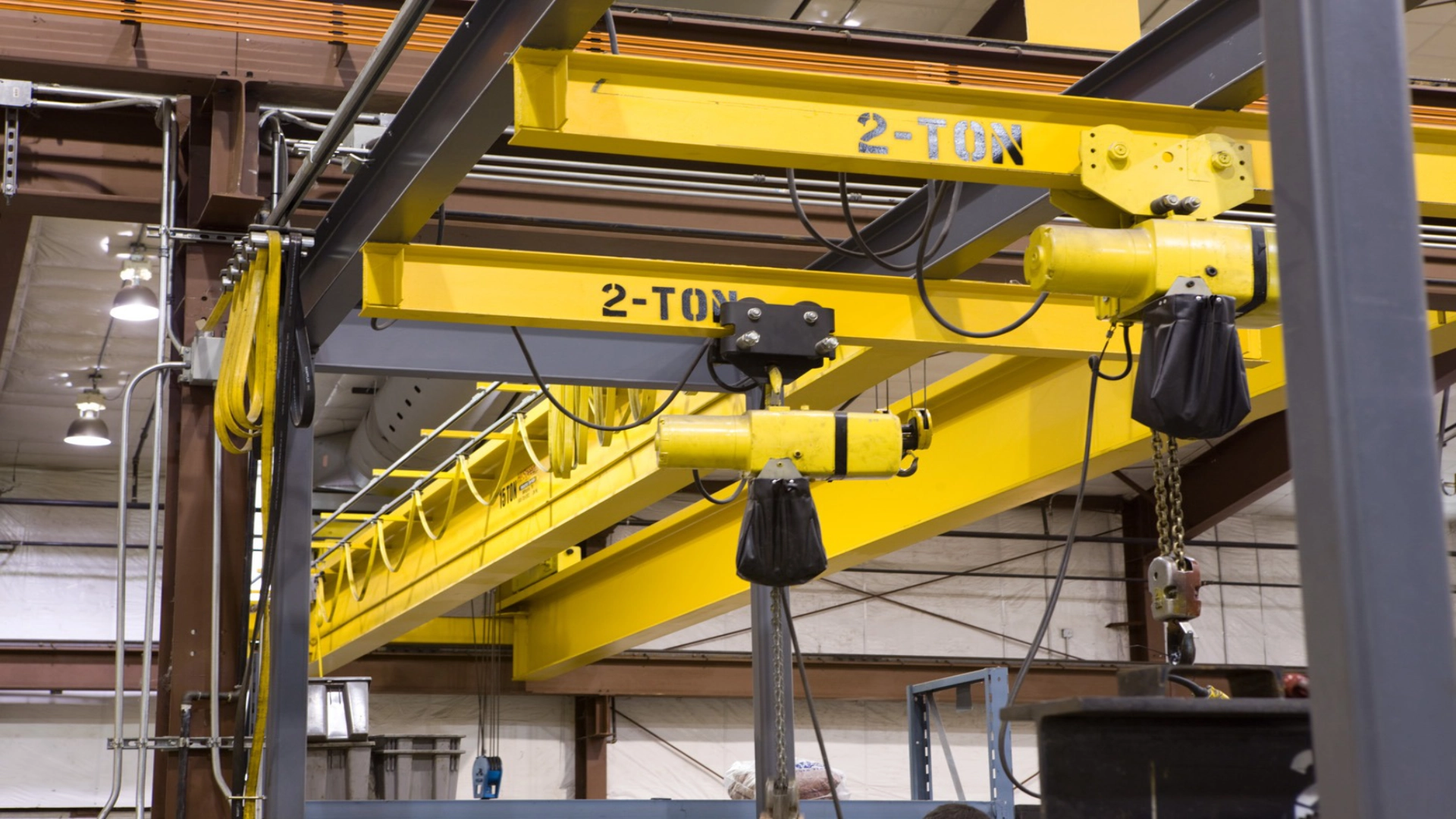
Why Get Certified as an Overhead Crane Operator?
The overhead crane operator is one of the most in-demand and consistently employed skilled trades across South Africa's industrial sector. Here's why investing in overhead crane training is one of the most valuable career decisions you can make:
Strong Industrial Wages
Certified overhead crane operators earn R18,000–R28,000 per month at entry level. With 3–5 years of experience in steel, mining, or manufacturing, operators earn R35,000+ per month, often with shift allowances, danger pay, and benefits.
Critical Industrial Skill
No steel mill, manufacturing facility, or heavy workshop can operate without a certified overhead crane operator. South Africa's industrial sector reports ongoing shortages of QCTO-certified crane operators — your certificate makes you immediately employable.
Career Progression
Start as an overhead crane operator, advance to crane supervisor, rigging foreman, then maintenance manager or safety officer. The QCTO certificate is the mandatory first step in this widely respected career path.
Africa-Wide Recognition
QCTO Occupational Certificates are SAQA-aligned and recognised across SADC. South African-trained crane operators find high-paying contracts in Zambia, Zimbabwe, DRC, Botswana, and beyond.
Legal Compliance
The OHS Act and Driven Machinery Regulations require all overhead crane operators to hold a valid, registered competency certificate. No employer can legally allow an unqualified operator to run a crane — your QCTO ticket is non-negotiable for employment.
Sector-Wide Demand
Overhead crane operators are required across steel mills, automotive plants, foundries, warehouses, shipyards, mines, and construction sites — giving you unmatched employment flexibility across multiple industries and locations.
Where Do Certified Overhead Crane Operators Work?
South Africa's industrial sector is one of the world's largest employers of overhead crane operators. A QCTO certificate opens doors across multiple industries and sectors:
Steel & Metals
ArcelorMittal, Evraz Highveld, and independent steel service centres use overhead cranes throughout production. Steel plants are the largest single employer of EOT crane operators in South Africa.
Automotive
Vehicle assembly plants, component manufacturers, and stamping facilities in Rosslyn, Port Elizabeth, and East London use overhead cranes in body shops, press shops, and paint shops.
Mining & Processing
Shaft headgear workshops, processing plants, smelters, and maintenance workshops across the Bushveld Complex, Free State goldfields, and Northern Cape use overhead cranes for heavy lifts.
Manufacturing
Foundries, engineering workshops, fabrication shops, paper mills, and chemical plants across all nine provinces employ overhead crane operators as permanent, essential staff.
Warehousing & Logistics
High-bay warehouses, distribution centres, and precast concrete yards use overhead cranes for bulk material handling — a growing sector driven by e-commerce and infrastructure development.
Construction & Civil
Precast yards, bridge construction sites, and heavy civil engineering projects use overhead and gantry cranes for lifting and placing structural elements — strong demand in infrastructure projects.
Overhead Crane Opportunities Across South Africa
Major South African industrial and mining regions with consistent overhead crane operator demand include Gauteng (automotive, steel, manufacturing), KwaZulu-Natal (ports, manufacturing, sugar mills), Eastern Cape (automotive assembly), Limpopo and North West (mining and smelting), Mpumalanga (steel, coal, and power stations), and the Free State (mining and agro-processing). Our graduates from both campuses are actively placed across all of these regions through our job assistance network.
Overhead Crane Training for Students Across South Africa
Real Skills Technical FET trains overhead crane operators from every corner of South Africa. With free accommodation at both campuses, travelling to Pretoria or Bloemfontein is simple and cost-free. We regularly train and certify students from the following cities, towns, and regions:
We Train Students From All Across South Africa
Overhead crane training with free accommodation — students welcome from every province and region
Not listed? If you can reach Pretoria or Bloemfontein, we will accommodate you. Call 012 023 0556 to arrange both your training and free accommodation in a single call.
Who Can Enrol in Overhead Crane Training?
Our overhead crane operator course is designed for accessibility — no Matric, no prior industrial experience, and no medical certificate required to enrol:
Entry Requirements
- Minimum age 18 years — no upper age limit for enrolment
- Literacy: Able to read, write, and communicate in English — no Matric or Grade 12 required
- Physical fitness: Must be fit to climb access platforms and work in an industrial training environment — self-declaration only, no medical certificate required for the course itself
- ID: Valid South African ID book, ID card, or any valid international passport accepted
- No prior crane or industrial experience: The course begins from first principles — absolute beginners are welcome and actively encouraged to enrol
- Note on employment medicals: Individual employers may require additional medicals before placing an operator on an overhead crane — these are conducted by the employer and are separate from our enrolment requirements
International Students
Foreign nationals with a valid passport may enrol in overhead crane training without a South African work permit. The QCTO Occupational Certificate is recognised across SADC and accepted by international industrial contractors and mining companies operating across the African continent. Formal employment in South Africa requires appropriate work authorisation from the Department of Home Affairs.
Job Assistance Programme
Completing your overhead crane training is only the beginning — our active job assistance programme supports every graduate until they are employed:
Industrial Employer Network
Direct connections with steel mills, automotive plants, mining operations, manufacturing facilities, and construction companies who regularly request QCTO-certified overhead crane operators from our graduate pool.
Industrial CV & Portfolio
We prepare an industry-specific CV for every overhead crane graduate, including competency portfolio documentation, assessment records, and the full QCTO certificate package employers require on Day 1.
Priority Vacancy Alerts
Graduates receive early access to crane operator vacancies from our employer network before positions are publicly advertised — a significant advantage in a sector where network referrals drive most hiring decisions.
Real Skills Alumni Network
Join over 10,000 Real Skills graduates already working across South Africa's construction, mining, and industrial sectors. Our crane alumni frequently refer new job openings to recent graduates through our informal referral network.
Our overhead crane training job assistance programme has helped over 2,200 graduates find employment in South Africa's industrial sector over the past five years. We work with contractors, HR departments, and labour brokers to achieve a consistent 80%+ assistance rate within 3 months of certification. Our team follows up with every graduate until employment is confirmed.
Free Accommodation at Both Campuses
Students travelling to our Pretoria or Bloemfontein campus for overhead crane training can access free accommodation for the entire 5-day training period:
- Secure, quality housing within close proximity to both the Pretoria and Bloemfontein campuses
- 24-hour security, Wi-Fi, laundry facilities, and a daily shuttle to and from the training campus — included at no cost
- Request accommodation at least 7 days before your selected course start date — subject to availability per intake
- Accommodation is fully covered by Real Skills — zero additional charge beyond the R4,500 course fee
- Meals are not included — students should budget for packed lunches or use food options near the campus
Your QCTO Overhead Crane Operator Certificate
On successfully completing all theory sessions, practical training, and assessment, you receive a QCTO-registered Occupational Certificate: Overhead Crane Operator — the mandatory national qualification for legal overhead crane operation in South Africa:
- Registered on the National Learners' Records Database (NLRD) — instantly verifiable by employer HR departments and the Department of Labour
- Aligned with SAQA standards — fully portable and valid across all employers, all South African provinces, and SADC member countries
- Complies with the OHS Act Driven Machinery Regulations for overhead crane operator certification
- Required by law before any operator may legally operate an overhead crane at a South African workplace — no certificate means no employment
Assessment Process
Assessment comprises a written theory examination on Day 2 and a comprehensive practical competency evaluation conducted progressively across Days 3–5. Students who do not meet the assessment standard on first attempt receive focused remedial coaching and may re-assess at no additional cost within 30 days of completing the programme.
Get Your Overhead Crane Certificate for R4,500
A QCTO-registered qualification that opens doors to South Africa's steel, mining, manufacturing, and construction sectors. Two campuses — Pretoria and Bloemfontein.
Overhead Crane Training — Frequently Asked Questions
Everything you need to know before enrolling in our overhead crane operator course
Our overhead crane training runs for 5 days Monday to Friday — 2 days of classroom theory covering crane systems, load calculations, rigging, and OHS legislation, followed by 3 days of supervised hands-on operation on real overhead bridge cranes. Classes run 08:00–16:00 daily at both campuses.
The complete 5-day overhead crane operator course costs R4,500, which covers all training materials, assessment fees, QCTO registration, and free accommodation for qualifying out-of-town students. There are no hidden charges — R4,500 is the all-in price.
Real Skills offers overhead crane training at two campuses: Pretoria (286 Pretorius Street, Gauteng) and Bloemfontein (78 Charlotte Maxeke Street, Free State CBD). Both campuses have real overhead bridge cranes on site and offer free accommodation for out-of-town students.
No experience is required. Our overhead crane training is built for complete beginners and starts from first principles — crane components, OHS law, and safe operating procedures are all covered before you touch a control. You must be at least 18, physically fit, and able to read and write in English.
Certified overhead crane operators work in steel mills, automotive plants, foundries, warehouses, mines, and construction sites across South Africa and SADC. Starting salaries range from R18,000 to R28,000 per month, with experienced operators and contractors earning R35,000–R45,000+ per month including shift and danger allowances.
Yes — free accommodation is provided for out-of-town students at both the Pretoria and Bloemfontein campuses, subject to availability. Secure housing with Wi-Fi, laundry, and a daily campus shuttle is fully included at no extra charge beyond the R4,500 course fee. Request it at least 7 days before your start date. Meals are not provided.
Useful Industry Links for Overhead Crane Operators
Official resources for OHS regulations, certification, and career development
Department of Labour
OHS Act and Driven Machinery Regulations — the legal framework governing overhead crane operator certification, employer duties, and workplace safety standards across all South African industries.
Visit WebsiteQCTO
Quality Council for Trades and Occupations — verify our overhead crane operator course accreditation and explore all registered occupational certificate programmes for the lifting machinery and industrial sector.
Visit WebsiteSAQA
South African Qualifications Authority — verify qualification alignment, understand NLRD registration, and explore SADC portability for South African overhead crane operator certificates.
Visit WebsiteRelated Lifting, Mining & Machinery Courses
Build your QCTO portfolio with additional lifting and earthmoving qualifications to increase your employability and earning power

Start Your Overhead Crane Career Today
Join certified overhead crane operators working in South Africa's steel mills, automotive plants, mining operations, and manufacturing facilities. A nationally recognised QCTO qualification — for R4,500 — at two campuses, with free accommodation and active job assistance.