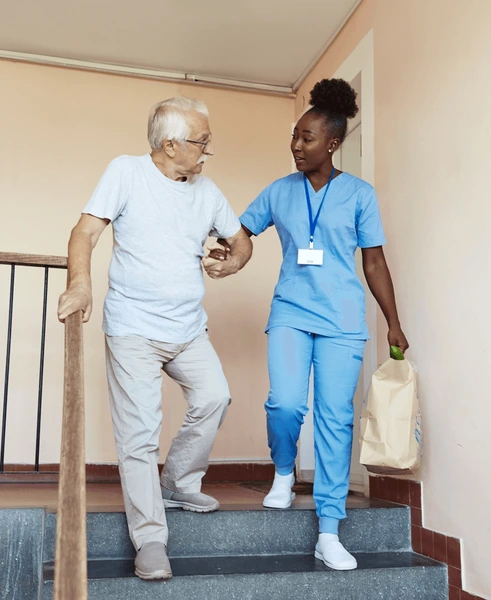
Caregiver Training School
Become a certified Home Based Caregiver in 2 months at Real Skills Technical FET — plan and implement professional care programmes for clients and families in the community.
Caregiver training at Real Skills Technical FET is a 2-month intensive programme aligned to SAQA US 117488 — Plan and Implement Home Based Care, NQF Level 4, quality-assured by HWSETA (Health and Welfare Sector Education and Training Authority). The course develops the complete skill set required of a professional home based caregiver — spanning clinical health assessment, home environment assessment, home based care programme planning and implementation, and formal referral management. Graduates leave with a Certificate of Competence aligned to SAQA US 117488, qualifying them as professional caregivers recognised across South Africa's health, welfare, community care, and social services sectors.
Caregiver Training — Course Overview
Our caregiver training programme is built around the four specific outcomes of SAQA US 117488, delivered through integrated practical and theory sessions that model real care scenarios in home and community settings. Students learn to assess, plan, implement and refer — the complete professional cycle of a skilled home based caregiver. The course is structured across 2 progressive months, moving from foundational health knowledge and assessment skills in Month 1 through to full care programme implementation, referral management and final competency assessment in Month 2.
Plan and Implement Home Based Care
2-month intensive programme — health assessment · home environment · care programme planning & implementation · referrals
- 2-month full-time practical & theory training
- Assessing health conditions of clients at home
- Identifying communicable, chronic & hereditary diseases
- Assessing family coping skills and support capacity
- Assessing home environments for hazards
- Waste disposal methods — sharps, dressings, body fluids
- Planning individualised home based care programmes
- Implementing care programmes with client and family
- Instructing families to implement care autonomously
- Making and following up referrals to relevant practitioners
- Environmental health principles and OHS compliance
- Certificate of Competence — SAQA 117488 · NQF Level 4
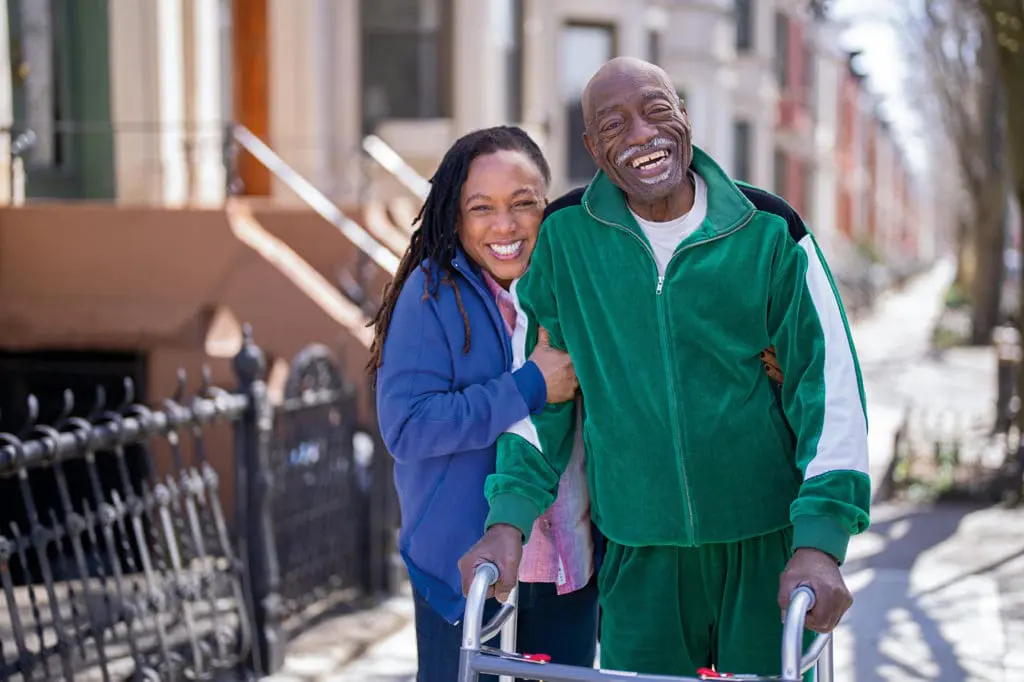
SAQA US 117488 — Plan and Implement Home Based Care
SAQA Unit Standard 117488 is the nationally registered NQF Level 4 unit standard titled Plan and Implement Home Based Care, originating from the SGB Ancillary Health Care and quality-assured by HWSETA (Health and Welfare Sector Education and Training Authority). This unit standard is designed for persons required to render care and assistance to clients and families to manage their health status at home — the professional foundation of the home based caregiver role in South Africa's community health care system.
The unit standard defines four specific outcomes covering the full professional scope of a caregiver: assessing the client's health condition; assessing the home environment; planning and implementing a home based care programme; and making appropriate referrals to relevant practitioners. Our training at Real Skills Technical FET delivers every specific outcome in practical and simulated settings, qualifying graduates as competent, certified caregivers ready for employment in home based care organisations, NGOs, hospitals, frail care facilities, and community health programmes across South Africa.
The 4 Specific Outcomes of SAQA US 117488
SAQA US 117488 is structured around four specific outcomes — each representing a core dimension of professional home based care. Our 2-month training programme is built to ensure full competency across all four outcomes through integrated theory and practical assessment.
Assess the Health Condition of the Client
Use suitable assessment skills and tools to determine the current health condition of the client. Describe disease patterns, conditions and disability issues in the local community. Identify communicable diseases (TB, HIV/AIDS) and chronic diseases (diabetes, hypertension) in terms of their impact on the client's health. Identify and assess congenital and hereditary diseases. Assess family coping skills in terms of capacity to care for the client at home.
Assess the Home Environment
Identify potential hazards in the home environment in terms of the effect on daily living activities. Rectify identified hazards in accordance with agreed procedures. Demonstrate correct methods of waste disposal — including used sharp instruments, used dressings, body fluids and general waste — in compliance with relevant health and safety legislation. Apply environmental health principles to the specific home circumstances and requirements.
Plan and Implement Home Based Care Programmes
Design and implement a home based care programme that addresses the individual needs of the client. Ensure the programme takes into consideration the schedules and requirements of the client and family. Implement the programme in a practical and achievable way across relevant stages and activities. Carry out the programme with due regard for the client and family's dignity and autonomy. Instruct the client and family in implementing the programme independently over time.
Make Referrals
Identify clients that require referral — those whose needs are beyond the scope of the caregiver's competence. Explain the referral process and identify relevant practitioners in terms of their specific scope of expertise. Supply clients and families with full referral details. Follow up referrals in accordance with health care requirements to ensure continuity of care and that the client's needs are being met by the referred practitioner.
Training Modules — What You Master in 2 Months
Health Assessment
Using assessment tools and skills to determine the health condition of a client — vital signs, disease identification, disability assessment
Communicable Diseases
TB, HIV/AIDS, COVID-19 and other communicable diseases — identification, infection control, PPE use and client management at home
Chronic Disease Care
Diabetes, hypertension, cancer and other chronic conditions — monitoring, medication support, dietary guidance and reporting changes
Home Environment Assessment
Identifying physical hazards, fall risks, sanitation issues and environmental health risks in client homes — and addressing them safely
Waste Management
Handling and disposing of sharps, used dressings, body fluids and contaminated waste in compliance with health and safety legislation
Care Programme Planning
Designing individualised home based care plans — setting goals, activities and schedules aligned to the client's condition and family capacity
Care Implementation
Carrying out personal care, wound dressing, mobility assistance, comfort measures and daily living support in the client's home environment
Family Support & Education
Assessing and strengthening family coping capacity — instructing family members to implement care programmes independently and confidently
Referral Management
Identifying when referral is needed, selecting the appropriate practitioner or facility, making and documenting referrals, and following up outcomes
Documentation & Reporting
Maintaining accurate client care records, reporting observations to supervisors, and documenting referrals and follow-up outcomes
Communication & Ethics
Effective communication with clients, families, community members and health team — patient rights, dignity, confidentiality and professional ethics
Caregiver Safety & OHS
Personal safety for caregivers — infection control, standard precautions, PPE, manual handling, stress management and scope of practice boundaries
2-Month Training Structure — Month by Month
The caregiver training programme follows a carefully sequenced two-month structure. Month 1 builds the foundational health knowledge, disease awareness, assessment skills and home environment competencies that every caregiver needs. Month 2 focuses on care programme planning, implementation, family education, referral management, documentation, and final competency assessment.
Month 1 — Health Knowledge, Client Assessment & Home Environment
Month 1 Training Programme
- Introduction to home based care and the caregiver role: The scope of practice of the home based caregiver, the relationship between caregiver, client, family, community and the health care team, professional ethics, patient rights, dignity, confidentiality and the legal responsibilities of the caregiver within the scope of SAQA US 117488
- Anatomy and basic health principles: Foundational understanding of the human body systems — musculoskeletal, cardiovascular, respiratory, neurological and digestive — and how disease and disability affect body function, daily living activities and the client's ability to manage at home
- Health assessment tools and skills: Using assessment tools to determine the current health condition of the client — vital signs measurement (temperature, pulse, blood pressure, respiratory rate), pain assessment, nutritional status observation, mental status evaluation and skin integrity assessment in the home environment
- Communicable diseases — identification and management: TB (tuberculosis), HIV/AIDS, COVID-19, hepatitis and other communicable diseases prevalent in South African communities — disease patterns, transmission routes, infection control measures, PPE requirements and the caregiver's responsibilities in supporting communicable disease management at home
- Chronic and non-communicable diseases: Diabetes mellitus, hypertension, heart disease, stroke, cancer and COPD — identifying symptoms, monitoring the client's condition, supporting medication adherence, dietary guidance, activity modification, reporting changes to the care team, and preventing complications at home
- Congenital and hereditary diseases: Identifying and assessing congenital conditions (cerebral palsy, Down syndrome, spina bifida) and hereditary conditions present in the client — understanding their impact on daily living and the specific care adaptations required in the home based care programme
- Family coping skills assessment: Assessing the family's capacity to participate in and sustain the home based care programme — identifying caregiver burden, family resource constraints, emotional support needs, and strengths — and planning the care programme in a way that is realistic and achievable for the family
- Home environment assessment and hazard identification: Systematically assessing the home environment for physical hazards affecting the client's safety and daily living — fall risks (loose mats, poor lighting, wet floors), access barriers, sanitation concerns, fire hazards, electrical risks, and inadequate ventilation — and rectifying identified hazards in accordance with agreed procedures
- Waste disposal and infection control: Correct methods for handling and disposing of used sharp instruments, used dressings, body fluids and contaminated waste in compliance with the Hazardous Substances Act and relevant health and safety legislation — sharps containers, double-bagging, bio-hazard waste handling and safe storage procedures for use in a home setting
Month 2 — Care Programme Planning, Implementation, Referrals & Assessment
Month 2 Training Programme
- Personal care procedures — practical application: Assisting clients with activities of daily living — bathing, oral hygiene, grooming, dressing, continence care, repositioning and pressure ulcer prevention. Dignity-preserving techniques, client communication during personal care, and adapting procedures to the home environment and client condition
- Wound care and basic clinical procedures: Wound assessment, wound cleaning and basic dressing application in a home setting — selecting appropriate dressings, infection monitoring, documenting wound changes, reporting deterioration, and maintaining aseptic technique in non-sterile home environments
- Mobility assistance and fall prevention: Safe manual handling techniques for assisting clients with limited mobility — correct body mechanics, use of assistive equipment in the home, transfer techniques from bed to chair and vice versa, fall prevention strategies, and managing a fall in the home if it occurs
- Planning individualised home based care programmes: Designing a practical, achievable home based care programme that addresses the specific identified needs of the client — setting care goals, scheduling activities, allocating tasks between the caregiver and family, and ensuring the programme reflects the client and family's own schedule, culture and daily routines
- Implementing care programmes with client and family: Carrying out the planned care programme in the client's home — practical implementation of all care activities, ongoing monitoring and adjustment of the programme as the client's condition changes, maintaining the therapeutic relationship with the client and family, and documenting all care activities and observations
- Instructing families in autonomous care: Teaching the client's family to implement elements of the care programme independently — demonstrating care procedures, confirming understanding through return demonstration, leaving written instructions where appropriate, and empowering the family to confidently manage the client's care between caregiver visits
- Making referrals — identification, process and follow-up: Identifying clients whose needs are beyond the caregiver's scope of practice — recognising clinical deterioration, mental health crises, social welfare needs, and emergency situations requiring immediate referral. Identifying relevant practitioners (doctor, nurse, physiotherapist, social worker, clinic, hospital), making referrals through correct channels, supplying the client with referral details, and following up to confirm the referral was received and acted upon
- Documentation, reporting and record keeping: Maintaining accurate and complete home based care records — daily observation notes, care plan updates, referral documentation, incident reports, and consent records. Professional report writing and communicating findings effectively to supervisors, nurses and other members of the health care team
- Practical competency assessment — SAQA 117488: Full practical assessment across all four specific outcomes of SAQA US 117488 — assessed through direct observation, practical demonstration, case studies, questioning, and portfolio of evidence, in line with the unit standard's assessment criteria. Candidates assessed as Competent or Not Yet Competent by a HWSETA-recognised assessor. Successful candidates receive their Certificate of Competence.
Book Your Caregiver Training — Start Next Intake
2 months. R5,500. SAQA 117488 · NQF Level 4. Certificate of Competence. Free accommodation for the full course.
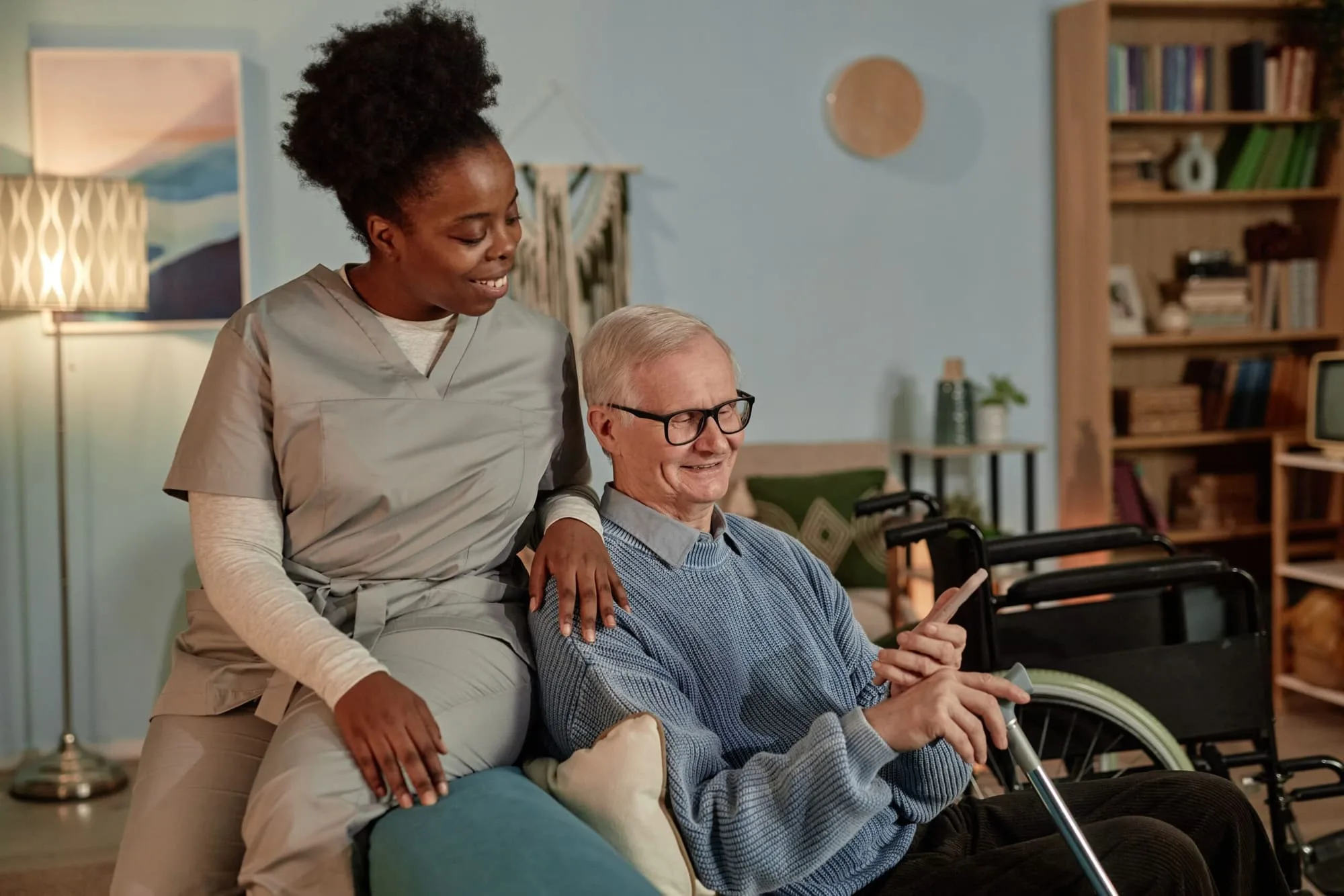
Your Credential on Completion — Certified Home Based Caregiver
Candidates who demonstrate full competency across all four specific outcomes of the assessment receive a formal credential from Real Skills Technical FET, aligned to SAQA US 117488 and quality-assured by HWSETA. This Certificate of Competence is recognised by home based care organisations, NGOs, hospitals, frail care facilities, community health centres, social development agencies and nursing homes across South Africa.
Certificate of Competence — SAQA US 117488
An official Certificate of Competence aligned to SAQA US 117488 — Plan and Implement Home Based Care, NQF Level 4, 6 credits, issued by Real Skills Technical FET and quality-assured by HWSETA. The certificate confirms full competency across all four specific outcomes: assessing client health conditions, assessing home environments, planning and implementing home based care programmes, and making referrals. This credential is the primary document required by home based care organisations, NGOs, government health programmes, private care agencies and social development employers when hiring professional caregivers for community-based and home-based care roles across South Africa.

Entry Requirements — Who Can Enrol
✅ Caregiver Training Entry Requirements
No prior healthcare experience required — we build your caregiver skills from the foundations up over 2 months of full training
The caregiver course is designed for compassionate individuals who want to build a professional career in community health care, home based care, or social services — whether or not they have any prior healthcare background. Our trainers take every learner through the full scope of caregiver knowledge and practical skills systematically over the 2-month programme.
Free Accommodation — Train From Anywhere
Why Caregivers Are in Demand Across South Africa
South Africa's community-based care sector is one of the fastest-growing employment areas in the country. The combination of an ageing population, the ongoing HIV/AIDS and TB burden, rising chronic disease prevalence, and government policy favouring home based care over institutional care has created a powerful, sustained demand for formally trained and certified caregivers.
Growing National Demand
South Africa's Department of Health and Department of Social Development fund thousands of community health worker and home based care positions annually — positions that prioritise candidates with formal SAQA qualifications over untrained individuals.
NGO & Government Employment
Home based care NGOs, government-contracted care organisations, Hospice associations, church-based care programmes, and community health centres across South Africa actively recruit HWSETA-qualified caregivers for community-facing roles.
Private Home Care Growth
South Africa's growing private home care market — elderly care, post-operative recovery, disability support, and palliative care — creates strong demand for certified caregivers who can be placed in private clients' homes at premium rates.
Formal Career Earnings
A qualified caregiver with a recognised SAQA credential earns between R5,000 and R12,000 per month in NGO and government programmes — with private placement and agency rates higher for caregivers serving elderly or complex care clients.
Africa-Wide Opportunities
Community health and home based care demand extends across sub-Saharan Africa. South African-trained caregivers with SAQA qualifications are respected and recognised in Zimbabwe, Zambia, Mozambique, Botswana and beyond.
Pathway to Nursing & Health Careers
The caregiver qualification provides a formal NQF Level 4 foundation for further study in nursing, community health work, social work, occupational therapy or health sciences — opening the door to full professional healthcare careers.
Career Paths After Caregiver Training
Home Based Caregiver
Provide professional home based care to clients with chronic illness, disability, HIV/AIDS, TB, post-surgical recovery, or end-of-life care in their homes.
Community Health Worker
Work in government-funded community health programmes — conducting household health assessments, supporting TB/HIV treatment adherence and making referrals.
Frail Care & Nursing Home
Care for elderly and frail residents in private care homes, frail care facilities and retirement villages — an expanding sector with strong, consistent demand.
Hospice & Palliative Care
Support terminal patients and their families through end-of-life care in hospice organisations or as a home-visiting palliative caregiver.
Child & Family Care Support
Work with families caring for children with disabilities, developmental conditions, or chronic illness — supporting child health and family coping capacity.
Further Study — Nursing & Health
Use your NQF Level 4 caregiver qualification as a stepping stone into ancillary health, enrolled nursing, community health work, or social work study programmes.
Job Assistance Programme
Employer Connections
We work directly with home based care NGOs, government community health programmes, hospice organisations, frail care facilities, private care agencies, and social development employers who regularly hire our SAQA 117488 qualified caregiver graduates.
CV Preparation
We help you present your Certificate of Competence correctly on your CV — ensuring your SAQA 117488 qualification is clearly communicated to HR departments, programme managers, and nursing service coordinators reviewing your application.
Vacancy Alerts
Registration in our graduate database means direct notification of caregiver vacancies at partner organisations — including government-funded programmes, NGOs and private placements — often before positions are publicly advertised.
Graduate Community
Join a growing network of working Real Skills caregivers placed across South Africa and sub-Saharan Africa — sharing job leads, programme opportunities, and continuing professional development guidance from active care environments.
Become a Certified Home Based Caregiver — Start Next Month
2 months. R5,500. SAQA 117488 · NQF Level 4. Certificate of Competence. Free accommodation. Job placement assistance — all in one programme.
Frequently Asked Questions
Everything you need to know about caregiver training at Real Skills Technical FET
A caregiver is a trained health care worker who plans and implements home based care for clients and families managing their health status at home. Caregiver training at Real Skills is a 2-month intensive programme aligned to SAQA US 117488 — Plan and Implement Home Based Care, NQF Level 4, HWSETA accredited. The course covers client health assessment, home environment assessment, care programme planning and implementation, and referral management.
The caregiver training course runs for 2 months (approximately 40 full working days), Monday to Friday. Month 1 covers health assessment tools, communicable and chronic disease identification, home environment assessment, hazard rectification, and waste disposal. Month 2 covers care programme planning and implementation, family education, referral management, documentation, and final practical competency assessment aligned to all four specific outcomes of SAQA US 117488.
You receive a Certificate of Competence aligned to SAQA US 117488, NQF Level 4, 6 credits, quality-assured by HWSETA — confirming full competency across all four specific outcomes: assessing client health conditions, assessing home environments, planning and implementing home based care programmes, and making referrals. This credential is recognised by home based care employers, NGOs, government programmes, frail care facilities and private care agencies across South Africa.
Caregiver training costs R5,500 — all-inclusive. This covers the full 2-month course, all training materials and equipment, the formal HWSETA-aligned practical assessment, your Certificate of Competence, job placement assistance, and free accommodation for the full 2 months next to the training facility. There are no hidden costs.
Prior healthcare experience is not required. The minimum requirement is Grade 9 (NQF Level 1) education, basic literacy, physical fitness for care work, and the ability to attend full-time for 2 months. Compassion, good communication skills, and a genuine commitment to caring for people are the most important qualities. Our trainers build your health knowledge, assessment skills, and practical care competencies from the foundations up over the 2-month programme.
Yes. Real Skills Technical FET provides free student accommodation for the entire 2-month course for all caregiver training students. The accommodation is located next to the training facility. Whether you are from Durban, Limpopo, the Eastern Cape, or travelling from Zimbabwe or Zambia — travel to Pretoria and your housing is covered at zero extra cost for the full 2 months.
Industry Resources for Caregivers
Official links for caregiver training, qualifications, and the South African health and welfare sector
HWSETA
Health and Welfare Sector Education and Training Authority — quality assurance body for caregiver and ancillary health care training in South Africa, accrediting providers and overseeing assessment for SAQA 117488.
Visit HWSETASAQA — US 117488
Official SAQA registration for Unit Standard 117488 — Plan and Implement Home Based Care, NQF Level 4, 6 credits. Access the full qualification scope, specific outcomes and assessment criteria on the national qualifications register.
View on SAQADept. of Health — Community Care
National Department of Health resources on home based care, community health worker programmes, TB and HIV/AIDS care guidelines, and the community-based care policy framework applicable to caregiver work in South Africa.
Visit WebsiteRelated Health & Professional Courses
Expand your qualifications and open up broader career opportunities in health, welfare and technical fields


Become a Certified Home Based Caregiver in 2 Months
Full practical and theory training. SAQA 117488, NQF Level 4, HWSETA accredited. R5,500 all-inclusive. Certificate of Competence. Free accommodation for the full course. Job placement assistance — all in one programme.